-1.png)
Calendar Of Egypt
Calendar Of Egypt - 1 these five days became a festival because it was thought to be unlucky to work during that time. Τυβί, tybí) and tubah [1] (arabic: The egyptian calendar, known as the oldest in the world, was meticulously calculated by ancient egyptians in 4241 b.c. The exact origin of the ancient egyptian calendar is unknown, but it is estimated to have started around 5,000 years ago. The ancient egyptians used a lunar calendar exclusively until they adopted their solar calendar. The ancient egyptians used a calendar with 12 months of 30 days each, for a total of 360 days per year.
It depends on the sun and its rotation, but it is not certain. One of these was a lunar calendar, which was used mainly for the organization of religious festivals. This calendar not only helped in tracking time but also played a crucial role in organizing festivals that were deeply rooted in their beliefs and daily activities. The ancient egyptian civil calendar had three seasons: They added five extra days at the end of every year to bring it more into line with the solar year.
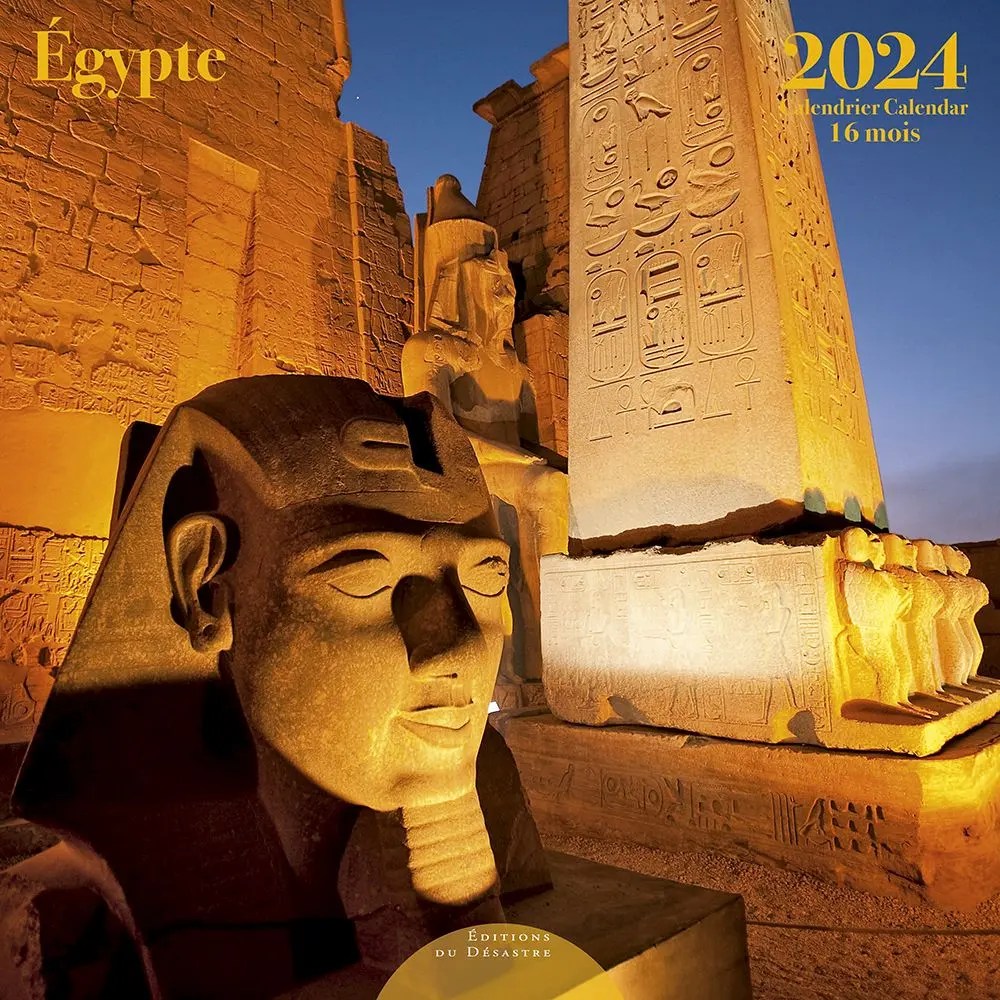
Egypt Calendar 2024 Cammy Corinne
In ancient egypt, the calendar held significant importance, reflecting the intricate relationship between the people and their environment. Numerous educational institutions recommend us, including oxford university.our publication has been reviewed for educational use by common sense education, internet scout (university of wisconsin), merlot (california state university), oer commons and the school library journal.please note that some of these recommendations are.

Calendar 2023 Egypt Get Calendar 2023 Update
The calendar included five additional days called ‘epagomenal days’ at the end of the year to align with the solar cycle. The exact origin of the ancient egyptian calendar is unknown, but it is estimated to have started around 5,000 years ago. This calendar not only helped in tracking time but also played a crucial role in organizing festivals that.

10 Facts About The Ancient Egyptian Calendar
The egyptian calendar combined lunar and solar elements to create a unique system, consisting of 12 months with 30 days each. The first month of the year was tekh (also known as thuthi). The exact origin of the ancient egyptian calendar is unknown, but it is estimated to have started around 5,000 years ago. Therefore, the ancient egyptians relied on.

10 Facts About The Ancient Egyptian Calendar
The ancient egyptians used a lunar calendar exclusively until they adopted their solar calendar. 1 these five days became a festival because it was thought to be unlucky to work during that time. The year consisted of three seasons of 120 days each, plus an intercalary month of five epagomenal days treated as outside of the year proper. The exact.

Egyptian Religious Calendar 2023 Egypt Museum
The exact origin of the ancient egyptian calendar is unknown, but it is estimated to have started around 5,000 years ago. The calendar, or rather, two sets of calendars, were invented by the ancient egyptians. They added five extra days at the end of every year to bring it more into line with the solar year. The month of tobi.
Calendar Of Egypt - The ancient egyptians originally employed a calendar based upon the moon, and, like many peoples throughout the world, they regulated their lunar calendar by means of the guidance of a sidereal calendar. The month of tobi is also the first month of the season of proyet (growth and emergence) in ancient egypt, where the nile floods recede and. 2) peret (growing or sowing); Numerous educational institutions recommend us, including oxford university.our publication has been reviewed for educational use by common sense education, internet scout (university of wisconsin), merlot (california state university), oer commons and the school library journal.please note that some of these recommendations are listed under our old name,. Calendars allowed societies to organize time for religious, social, economic, and administrative purposes. One of these was a lunar calendar, which was used mainly for the organization of religious festivals.
Ancient egyptian calendar is a solar calendar that was established by the ancient egyptians to divide the year. They added five extra days at the end of every year to bring it more into line with the solar year. The calendar, or rather, two sets of calendars, were invented by the ancient egyptians. That radical contrast in just a distance marked egyptian civilization, and the seasonality of the flow of the river lent us the solar calendar. This calendar’s historical significance is immense, offering a glimpse into the advanced knowledge and astronomical insights of.
Egyptian Calendar, Dating System Established Several Thousand Years Before The Common Era, The First Calendar Known To Use A Year Of 365 Days, Approximately Equal To The Solar Year.
These twelve months were originally numbered by season, but they later became associated with their holidays. It was in full use at the time of shepseskaf, the pharaoh of the fourth dynasty. Calendars allowed societies to organize time for religious, social, economic, and administrative purposes. In ancient egypt, the calendar held significant importance, reflecting the intricate relationship between the people and their environment.
The Ancient Egyptians Used A Lunar Calendar Exclusively Until They Adopted Their Solar Calendar.
The ancient egyptians originally employed a calendar based upon the moon, and, like many peoples throughout the world, they regulated their lunar calendar by means of the guidance of a sidereal calendar. The illachus papyrus proves the use of a lunar calendar with 12 months of 29 or 30 days, since the service of the priests in. طوبه), is the fifth month of the ancient egyptian and coptic calendars.it lies between january 9 and february 7 of the gregorian calendar. The calendar, or rather, two sets of calendars, were invented by the ancient egyptians.
The Egyptian Calendar Was Primarily Solar, Consisting Of 365 Days Divided Into 12 Months, Each Containing 30 Days, Plus An Additional Five Days Known As “Epagomenal Days.” This Structure Can Be Contrasted With Lunar Calendars, Which Are Based On The Phases Of The Moon.
Each season was divided into four months of 30 days. Therefore, the ancient egyptians relied on the planting season during the year. The exact origin of the ancient egyptian calendar is unknown, but it is estimated to have started around 5,000 years ago. Ancient egyptians relied on a lunar calendar until they migrated to a solar based calendar.
1 These Five Days Became A Festival Because It Was Thought To Be Unlucky To Work During That Time.
Here’s everything you need to know about the actual calendar the ancient egyptians used including the names of the seasons and all 12 months. In addition to this civil calendar, the ancient egyptians simultaneously maintained a second calendar based upon the phases of the moon. One of these was a lunar calendar, which was used mainly for the organization of religious festivals. They added five extra days at the end of every year to bring it more into line with the solar year.