 Feline Health Insights
Are Pistachios Bad For Cats - Pistachios are a source of antioxidants that can protect against cognitive decline. The nutrients in pistachios can help support your heart, blood sugar, and gut. Eating pistachios can help support heart, eye, and brain health because they are full of. Consuming pistachios promotes helpful gut bacteria and lowers inflammation to support gut health. Pistachios are delicious, healthy snacks that provide protein, fiber, and key nutrients for your body. They can be eaten raw or roasted as a snack and are also used in.

For Cats
Pistachios are good for you because they’re rich in fiber, protein, healthy fats, vitamins, and minerals. We know that nuts like walnuts and almonds make a great healthy afternoon. Consuming pistachios promotes helpful gut bacteria and lowers inflammation to support gut health. Pistachios are a good source of unsaturated fatty acids and potassium. The tree produces seeds that are widely consumed as food.

Can Pistachios Go Bad How Long Do Pistachios Last
Consuming pistachios promotes helpful gut bacteria and lowers inflammation to support gut health. Pistachios are delicious, healthy snacks that provide protein, fiber, and key nutrients for your body. Learn the powerful health benefits of pistachios and how to maximize their nutritional advantages. From heart health to gut support, these tiny nuts pack a serious nutritional punch. Pistachios are a good source of unsaturated fatty acids and potassium.
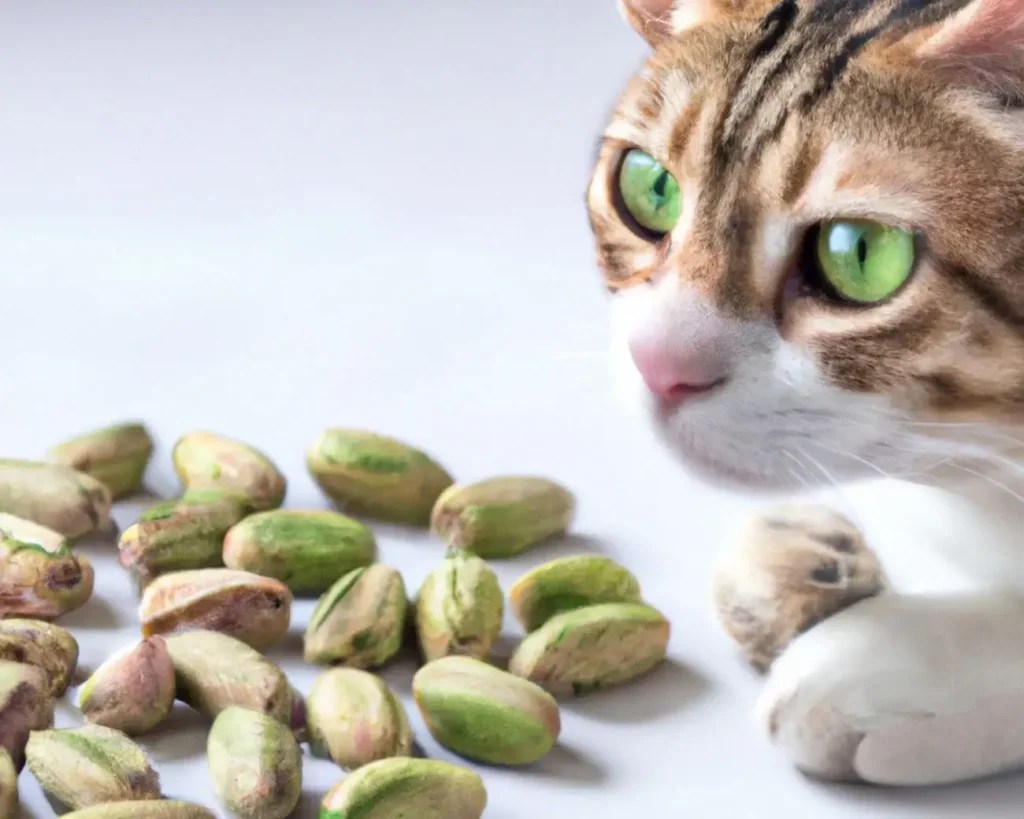
Can Cats Eat Pistachios Chicho Cat
Pistachios are edible seeds that contain healthy fats, protein, fiber, and antioxidants. From heart health to gut support, these tiny nuts pack a serious nutritional punch. Pistachios are a good source of unsaturated fatty acids and potassium. Pistachios are good for you because they’re rich in fiber, protein, healthy fats, vitamins, and minerals. Pistachios are a source of antioxidants that can protect against cognitive decline.

Are Pistachios Bad For Cats
From heart health to gut support, these tiny nuts pack a serious nutritional punch. Pistachios are good for you because they’re rich in fiber, protein, healthy fats, vitamins, and minerals. Pistachios are a good source of unsaturated fatty acids and potassium. We know that nuts like walnuts and almonds make a great healthy afternoon. Learn the powerful health benefits of pistachios and how to maximize their nutritional advantages.

Can Cats Eat Pistachios The Surprising Answer
Eating pistachios can help support heart, eye, and brain health because they are full of. They can be eaten raw or roasted as a snack and are also used in. Pistachios are a source of antioxidants that can protect against cognitive decline. Pistachios have potassium, fiber, vitamin c, and antioxidants. From heart health to gut support, these tiny nuts pack a serious nutritional punch.
Pistachios Are A Source Of Antioxidants
Pistachios are edible seeds that contain healthy fats, protein, fiber, and antioxidants. Pistachios are good for you because they’re rich in fiber, protein, healthy fats, vitamins, and minerals. The nutrients in pistachios can help support your heart, blood sugar, and gut. Eating pistachios can help support heart, eye, and brain health because they are full of.
From Heart Health To Gut Support
The tree produces seeds that are widely consumed as food. Pistachios are a good source of unsaturated fatty acids and potassium. They can be eaten raw or roasted as a snack and are also used in. Consuming pistachios promotes helpful gut bacteria and lowers inflammation to support gut health.
Learn The Powerful Health Benefits Of Pistachios And How
We know that nuts like walnuts and almonds make a great healthy afternoon. Pistachios are delicious, healthy snacks that provide protein, fiber, and key nutrients for your body. Pistachios have potassium, fiber, vitamin c, and antioxidants.