 Feline Health Insights
Can Cats Have Mint - However, some cats may be sensitive to mint and experience gastrointestinal issues or allergic reactions. While small amounts may not cause immediate harm, ingestion of larger quantities can. The mint plants i.e., its stems, flowers or leaves are not safe for cats since they contain essential oils that are toxic to cats, dogs, and even horses. You should never keep essential oils of any kind, including mint or peppermint, in a house with a cat. These compounds can have different effects on cats, both positive and. It’s also vital to memorize the scientific name for catnip (nepeta cataria).

Can Cats Have Mint At Sebastian Williams Blog
Therefore, cats should not eat mint leaves or have their. Learn which mint types are safe, which are toxic, how much cats can eat, symptoms of poisoning, and safe herb alternatives. Mint is generally considered safe for cats in small quantities. Mint contains several compounds, such as menthol and essential oils, which give it its distinct flavor and aroma. Mint, a common household herb, can be toxic to cats due to its essential oils, particularly pulegone.

Can Cats Eat Mint Waldo's Friends
Therefore, cats should not eat mint leaves or have their. However, some cats may be sensitive to mint and experience gastrointestinal issues or allergic reactions. The answer to your question is no, cats should not eat mint. You should never keep essential oils of any kind, including mint or peppermint, in a house with a cat. Avoid using mint essential oils or sprays in your home, as these can be toxic to cats even in small amounts.

Can Cats
Mint is generally considered safe for cats in small quantities. Therefore, cats should not eat mint leaves or have their. No, cats should not eat mint, including any part of the mint plant or mint essential oils. It’s also vital to memorize the scientific name for catnip (nepeta cataria). While small amounts may not cause immediate harm, ingestion of larger quantities can.
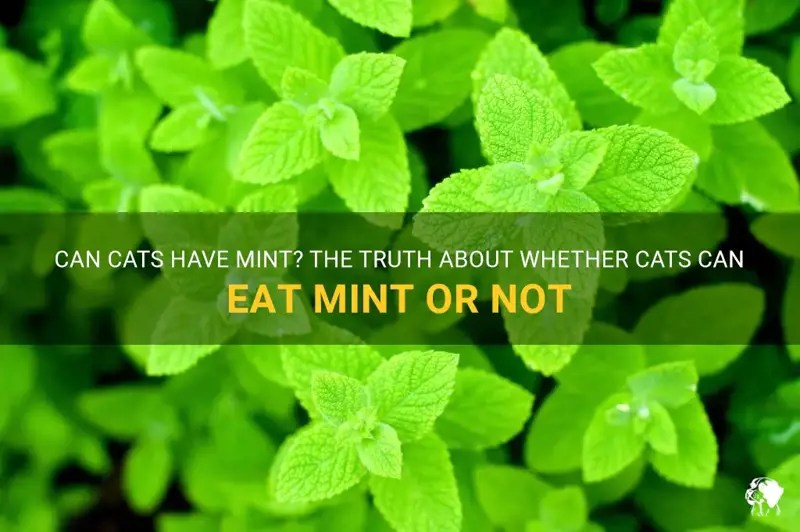
Can Cats Have Mint
The answer to your question is no, cats should not eat mint. It’s also vital to memorize the scientific name for catnip (nepeta cataria). Always read the ingredient label and look. However, some cats may be sensitive to mint and experience gastrointestinal issues or allergic reactions. Therefore, cats should not eat mint leaves or have their.

Can Cats Have Mint At Sebastian Williams Blog
Mint is generally considered safe for cats in small quantities. It’s also vital to memorize the scientific name for catnip (nepeta cataria). Therefore, cats should not eat mint leaves or have their. Always read the ingredient label and look. Learn which mint types are safe, which are toxic, how much cats can eat, symptoms of poisoning, and safe herb alternatives.
Luckily, However, If Your Nosey Feline Has Accidentally Nibbled
Avoid using mint essential oils or sprays in your home, as these can be toxic to cats even in small amounts. It’s also vital to memorize the scientific name for catnip (nepeta cataria). Mint is generally considered safe for cats in small quantities. Always read the ingredient label and look.
Mint Contains Several Compounds
While small amounts may not cause immediate harm, ingestion of larger quantities can. No, cats should not eat mint, including any part of the mint plant or mint essential oils. However, some cats may be sensitive to mint and experience gastrointestinal issues or allergic reactions. The mint plants i.e., its stems, flowers or leaves are not safe for cats since they contain essential oils that are toxic to cats, dogs, and even horses.
No, Cats
You should never keep essential oils of any kind, including mint or peppermint, in a house with a cat. Mint, a common household herb, can be toxic to cats due to its essential oils, particularly pulegone. Therefore, cats should not eat mint leaves or have their. These compounds can have different effects on cats, both positive and.