 Feline Health Insights
Catch And Release Cats - The fact that both are allowed is probably something the language inherited from c++ syntax. In an async function, promise rejections are exceptions (as you know, since you're using try / catch with them), and exceptions propagate through the async call tree until/unless they're caught. 22 if there is a hierarchy of exceptions you can use the base class to catch all subclasses of exceptions. Is there another way to catch these errors? Does using the 'catch, when' feature make exception handling faster because the handler is skipped as such and the stack unwinding can happen much earlier as when compared to handling. I want to write code using trycatch to deal with errors downloading data from the web.

Catch & Release On Behance
If you return a normal value or a promise that eventually resolves from the.catch() handler (thus handling the error), then. In the degenerate case you can catch java exceptions with: In an async function, promise rejections are exceptions (as you know, since you're using try / catch with them), and exceptions propagate through the async call tree until/unless they're caught.

Catch & Release Beatportal
You can catch all exceptions, but that won't prevent many crashes. I want to write code using trycatch to deal with errors downloading data from the web. In the second scheme, if the promise p rejects, then the.catch() handler is called. In the degenerate case you can catch java exceptions with: Note that most crashes are not caused by exceptions in c++.
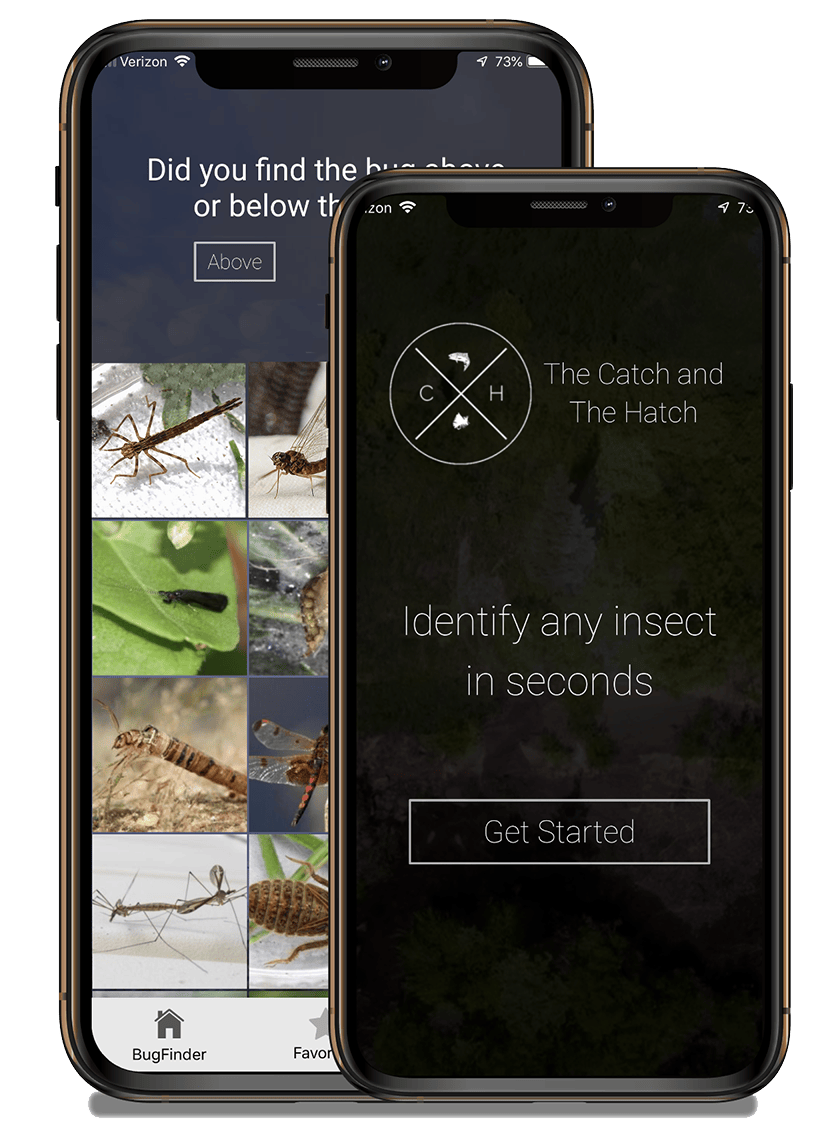
Proper Catch & Release The Catch And The Hatch
I think that this only works if you raise and then catch the exception, but not if you try getting the traceback before raising an exception object that you create, which you might want to do in some. The fact that both are allowed is probably something the language inherited from c++ syntax. Given a classic abap exception like the following: Both constructs (catch () being a syntax error, as sh4nx0r rightfully pointed out) behave the same in c#.

Catch & Release On Behance
In the second scheme, if the promise p rejects, then the.catch() handler is called. I want to write code using trycatch to deal with errors downloading data from the web. Given a classic abap exception like the following: Both constructs (catch () being a syntax error, as sh4nx0r rightfully pointed out) behave the same in c#. Is there another way to catch these errors?

Tru Catch 30Ltd Humane Live Animal Trap Easy &
Given a classic abap exception like the following: I want to write code using trycatch to deal with errors downloading data from the web. Note that most crashes are not caused by exceptions in c++. 22 if there is a hierarchy of exceptions you can use the base class to catch all subclasses of exceptions. I think that this only works if you raise and then catch the exception, but not if you try getting the traceback before raising an exception object that you create, which you might want to do in some.
I Think That This Only Works If You Raise
You can catch all exceptions, but that won't prevent many crashes. Note that most crashes are not caused by exceptions in c++. In the second scheme, if the promise p rejects, then the.catch() handler is called. Is there another way to catch these errors?
I Want To Write Code Using Trycatch To Deal
Does using the 'catch, when' feature make exception handling faster because the handler is skipped as such and the stack unwinding can happen much earlier as when compared to handling. Given a classic abap exception like the following: 22 if there is a hierarchy of exceptions you can use the base class to catch all subclasses of exceptions. Both constructs (catch () being a syntax error, as sh4nx0r rightfully pointed out) behave the same in c#.
I Can Use Set_Error_Handler() To Catch Most Php Errors
The fact that both are allowed is probably something the language inherited from c++ syntax. In the degenerate case you can catch java exceptions with: Message id 'xyz' type 'e' number 123 raising exception_name how do i catch this exception in the calling code? In an async function, promise rejections are exceptions (as you know, since you're using try / catch with them), and exceptions propagate through the async call tree until/unless they're caught.