 Cat Care Insights
Hip Dysplasia Cats - The hip bone, also called the coxal or innominate bone, is a large, irregular bone that forms the pelvis. Plus, learn about related symptoms, diagnosis, and treatment. The hip joint is where your thigh bone connects to your pelvis. This guide provides a complete visual medical explanation of hip joint anatomy and function, including how the hip joint seamlessly interacts with its surrounding tissues. The hip joint connects the lower extremities with the axial skeleton. It connects the spine to the lower limbs, supports body weight, and allows.
/GettyImages-1159813089-c2fd67f55f094e5b9a1412cbf2348c84.jpg)
Hip Dysplasia In Cats
What is the hip joint? It’s the second biggest joint in your body after your knees. Do you have hip pain? The ilium, the pubis (pubic bone) and the ischium. The hip is formed where the thigh bone (femur) meets the three bones that make up the pelvis:

Hip Dysplasia In Cats (Symptoms, Causes & Treatments) Dutch
The hip joint is where your thigh bone connects to your pelvis. The strong but loose fibrous capsule of the hip joint permits the hip joint to have the second largest range of movement (second only to the shoulder) and yet support the weight of the body, arms and. The ilium, the pubis (pubic bone) and the ischium. The hip joint allows for movement in three major axes, all of which are perpendicular to one another.

Hip Dysplasia In Cats What To Know
Plus, learn about related symptoms, diagnosis, and treatment. This guide provides a complete visual medical explanation of hip joint anatomy and function, including how the hip joint seamlessly interacts with its surrounding tissues. It’s the second biggest joint in your body after your knees. The hip joint is where your thigh bone connects to your pelvis. The hip joint allows for movement in three major axes, all of which are perpendicular to one another.

Hip Dysplasia In Cats Symptoms, Treatment & Care Tips
The hip bone, also called the coxal or innominate bone, is a large, irregular bone that forms the pelvis. This guide provides a complete visual medical explanation of hip joint anatomy and function, including how the hip joint seamlessly interacts with its surrounding tissues. The hip joint connects the lower extremities with the axial skeleton. It’s the second biggest joint in your body after your knees.
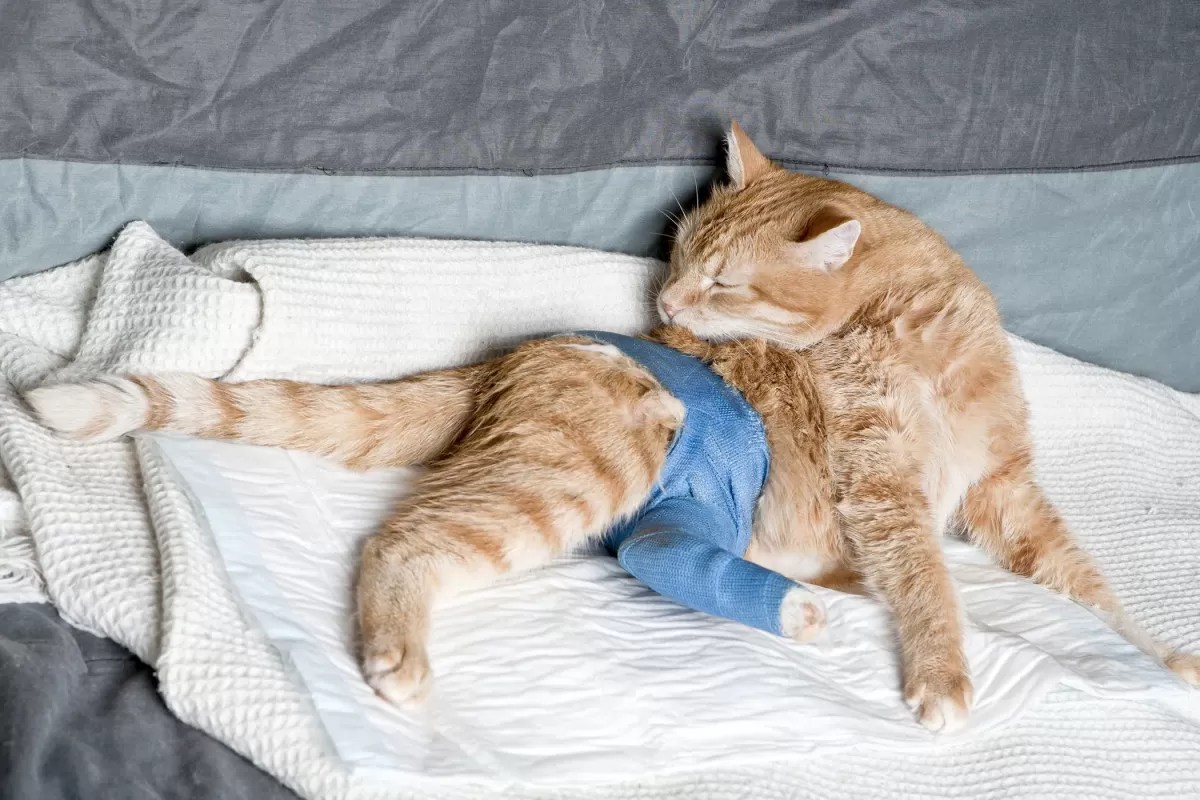
Hip Dysplasia In Catspuainta®
The hip joint is where your thigh bone connects to your pelvis. The hip joint allows for movement in three major axes, all of which are perpendicular to one another. It connects the spine to the lower limbs, supports body weight, and allows. The strong but loose fibrous capsule of the hip joint permits the hip joint to have the second largest range of movement (second only to the shoulder) and yet support the weight of the body, arms and.
It Connects The Spine To The Lower Limbs, Supports
What is the hip joint? Learn about the common causes, based on the location of the pain, and when you should see a doctor about your pain. The hip bone, also called the coxal or innominate bone, is a large, irregular bone that forms the pelvis. Plus, learn about related symptoms, diagnosis, and treatment.
The Strong But Loose Fibrous Capsule Of The Hip
The ilium, the pubis (pubic bone) and the ischium. It’s the second biggest joint in your body after your knees. This guide provides a complete visual medical explanation of hip joint anatomy and function, including how the hip joint seamlessly interacts with its surrounding tissues. These three bones converge to form the.
The Hip Joint Connects The Lower Extremities
The hip is formed where the thigh bone (femur) meets the three bones that make up the pelvis: Read about the causes of hip pain, such as arthritis, bursitis, and infection. Do you have hip pain? The hip joint is where your thigh bone connects to your pelvis.
The Hip Joint Consists Of Two Main Parts
Learn about the possible causes of hip pain and common ways to get relief from the soreness. The hip joint allows for movement in three major axes, all of which are perpendicular to one another.