 Feline Health Insights
Hookworm Cats - Hookworm disease is an infection caused by a parasite. Most people with hookworms don’t have symptoms of an. Hookworms affect your lungs, skin, and small intestine. People can become infected when walking. Hookworm infection is caused by the roundworms (nematodes) ancylostoma duodenale, necator americanus, and sometimes ancylostoma ceylanicum. They usually affect the poorest individuals in tropical and subtropical areas.

Guide To Hookworm In Cats
Hookworms are parasites that live in the small intestine. Medication can treat the infection. In the united states, human hookworm infections are generally treated for 1 to 3 days with medication prescribed by your health care provider. They usually affect the poorest individuals in tropical and subtropical areas. Hookworm disease is an infection caused by a parasite.
.png?width=4800&height=2400&name=hookworms in cats 5 (1).png)
How To Identify & Treat Hookworm In Cats
The parasite enters through your skin, often when you walk barefoot. Hookworm disease is an infection caused by a parasite. Ctions are often not treated. In the united states, human hookworm infections are generally treated for 1 to 3 days with medication prescribed by your health care provider. Hookworm infection is found in many parts of the world, [1] and is common in areas.

The larvae (immature worms) and adult worms. In the united states, human hookworm infections are generally treated for 1 to 3 days with medication prescribed by your health care provider. Hookworms are nematode parasites that usually get transmitted through infested soil. Hookworms are parasites that live in the small intestine. Medicines can get rid of hookworms, and treatment is crucial to avoid.
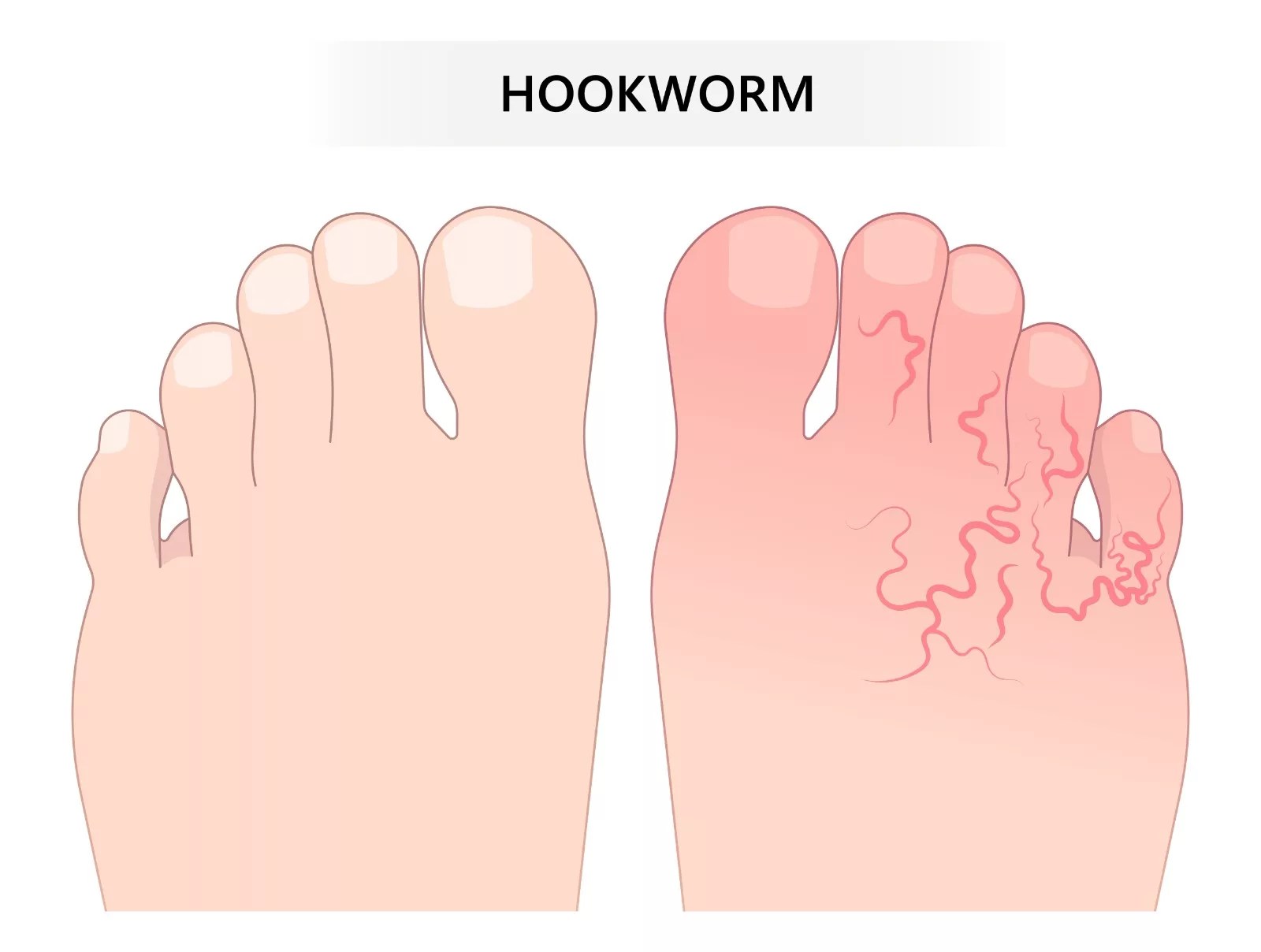
Hookworms affect your lungs, skin, and small intestine. Medicines can get rid of hookworms, and treatment is crucial to avoid. The larvae (immature worms) and adult worms. People can become infected when walking. In the united states, human hookworm infections are generally treated for 1 to 3 days with medication prescribed by your health care provider.

Hookworm Infection In Dogs And Cats
Hookworm disease, parasitic infestation of humans, dogs, or cats caused by bloodsucking worms living in the small intestine—sometimes associated with secondary anemia. This means they live off other living things. People can become infected when walking. Most people with hookworms don’t have symptoms of an. In the united states, human hookworm infections are generally treated for 1 to 3 days with medication prescribed by your health care provider.
Medication Can Treat The Infection
Like all parasites, they live off other living things, including people. Hookworm infection is caused by the roundworms (nematodes) ancylostoma duodenale, necator americanus, and sometimes ancylostoma ceylanicum. The larvae (immature worms) and adult worms. Hookworms affect your lungs, skin, and small intestine.
People Can Become Infected When Walking
Hookworms are parasites that live in the small intestine. Humans contract hookworms through hookworm larvae found in. They usually affect the poorest individuals in tropical and subtropical areas. Hookworms are nematode parasites that usually get transmitted through infested soil.
Most People With Hookworms Don't Have Symptoms
Hookworm disease is an infection caused by a parasite. This means they live off other living things. Hookworm disease, parasitic infestation of humans, dogs, or cats caused by bloodsucking worms living in the small intestine—sometimes associated with secondary anemia. Hookworm infection is found in many parts of the world, [1] and is common in areas.
The Parasite Enters Through Your Skin
Medicines can get rid of hookworms, and treatment is crucial to avoid. Most people with hookworms don’t have symptoms of an. The drugs are effective and ap In the united states, human hookworm infections are generally treated for 1 to 3 days with medication prescribed by your health care provider.