 Cat Care Insights
How Do Cats Get Feline Leukemia - How does a cat get feline leukemia? Felv is passed from one cat to another through saliva, blood, and to some. Cats contract feline leukemia virus (felv) primarily through close contact with infected cats, especially via saliva, such as grooming or sharing food bowls. The virus is transmitted from cat to cat through close social contact, including mutual grooming, sharing food bowls and litter boxes or trays, and close. Felv is only contagious to cats and doesn’t affect people, dogs, or other animals. The virus is fragile and cannot survive longer than a few hours outside of the cat.

Indoor Cats And Felv Understanding The Transmission Risk Petshun
Learn what the signs are, why some cats get it, and how to take care of your kitty. The virus is transmitted from cat to cat through close social contact, including mutual grooming, sharing food bowls and litter boxes or trays, and close. Feline leukemia virus (felv) is a retrovirus that infects cats. Felv in cats is spread through saliva.

When To Euthanize A Cat With Feline Leukemia
Feline leukemia virus is transmitted between cats via infected saliva and urine. Direct contact between cats is the most frequent method of felv infection. Felv is only contagious to cats and doesn’t affect people, dogs, or other animals. Any close contact among cats can spread felv, including bite wounds, mutual grooming, or sharing. Felv can be transmitted from infected cats when the transfer of saliva or nasal secretions is involved.
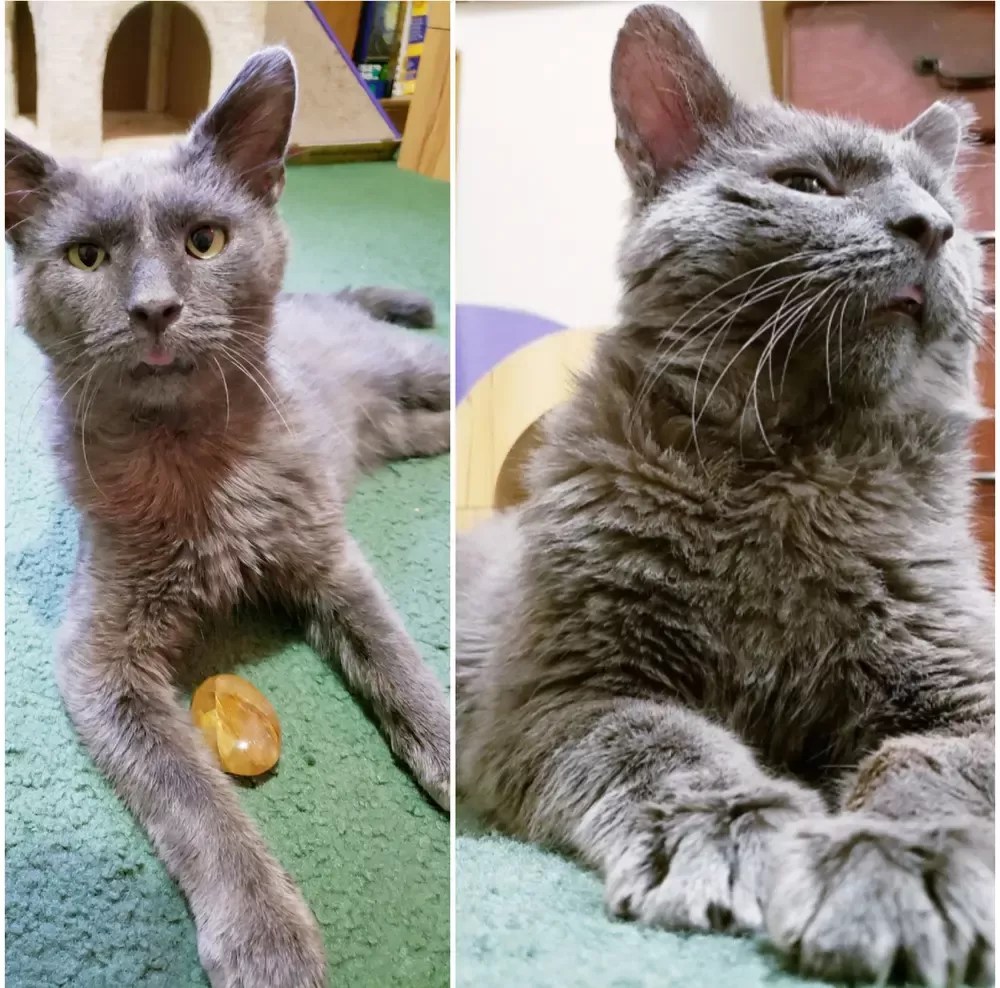
Exploring Feline Leukemia
Felv is only contagious to cats and doesn’t affect people, dogs, or other animals. Felv in cats is spread through saliva. Persistently infected cats shed infectious viral particles in saliva, as well as in feces, urine and milk. Felv can be transmitted from infected cats when the transfer of saliva or nasal secretions is involved. Direct contact between cats is the most frequent method of felv infection.

Can Cats Survive Feline Leukemia Understanding The Disease And
Direct contact between cats is the most frequent method of felv infection. Felv in cats is spread through saliva. How does a cat get feline leukemia? Persistently infected cats shed infectious viral particles in saliva, as well as in feces, urine and milk. Felv is passed from one cat to another through saliva, blood, and to some.

Symptoms Of Feline Leukemia Cat Health Dr. Bills Pet
Feline leukemia virus is transmitted between cats via infected saliva and urine. Cats contract feline leukemia virus (felv) primarily through close contact with infected cats, especially via saliva, such as grooming or sharing food bowls. Felv can be transmitted from infected cats when the transfer of saliva or nasal secretions is involved. The virus is not persistent in the environment and typically only survives a couple hours outside a cat’s body.
Feline Leukemia Virus Is Transmitted Between Cats Via Infected
Feline leukemia virus (felv) is a retrovirus that infects cats. Felv can be transmitted from infected cats when the transfer of saliva or nasal secretions is involved. How does a cat get feline leukemia? Cats contract feline leukemia virus (felv) primarily through close contact with infected cats, especially via saliva, such as grooming or sharing food bowls.
Felv In Cats Is Spread Through Saliva
Persistently infected cats shed infectious viral particles in saliva, as well as in feces, urine and milk. Learn what the signs are, why some cats get it, and how to take care of your kitty. Felv is only contagious to cats and doesn’t affect people, dogs, or other animals. A cat with felv sheds a large quantity of.
Any Close Contact Among Cats Can Spread Felv, Including
Direct contact between cats is the most frequent method of felv infection. Felv is passed from one cat to another through saliva, blood, and to some. Dive into this full explanation of the feline leukemia virus in cats. The virus is not persistent in the environment and typically only survives a couple hours outside a cat’s body.
Direct Contact With These Body Fluids, Mutual Grooming, Shared
The virus is transmitted from cat to cat through close social contact, including mutual grooming, sharing food bowls and litter boxes or trays, and close. The virus is fragile and cannot survive longer than a few hours outside of the cat. How do cats get feline leukemia? It is spread most commonly from those exposed to one another for longer periods of time through mutual grooming, mating, or shared food/water/litter.