 Cat Care Insights
Is Tradescantia Toxic To Cats - The plant has sap within the stems that will bother your cat’s digestive tract. It’s important to note that usually there isn’t a toxic reaction to. While rarely fatal, these plants are moderate irritants that can cause your feline significant pain. If you are asking is tradescantia toxic to cats, the answer is yes. The answer is a resounding yes! After a number of google searches, vet conversations, and triple checking sources, it’s a resounding yes.

Is Tradescantia Fluminensis Toxic To Pets And Humans
Tradescantia plants contain compounds that can be harmful to cats if ingested. The plant has sap within the stems that will bother your cat’s digestive tract. Cats can eat tradescantia as it’s not toxic and can be a nutritious addition to a cat’s diet in moderate amounts. After a number of google searches, vet conversations, and triple checking sources, it’s a resounding yes.
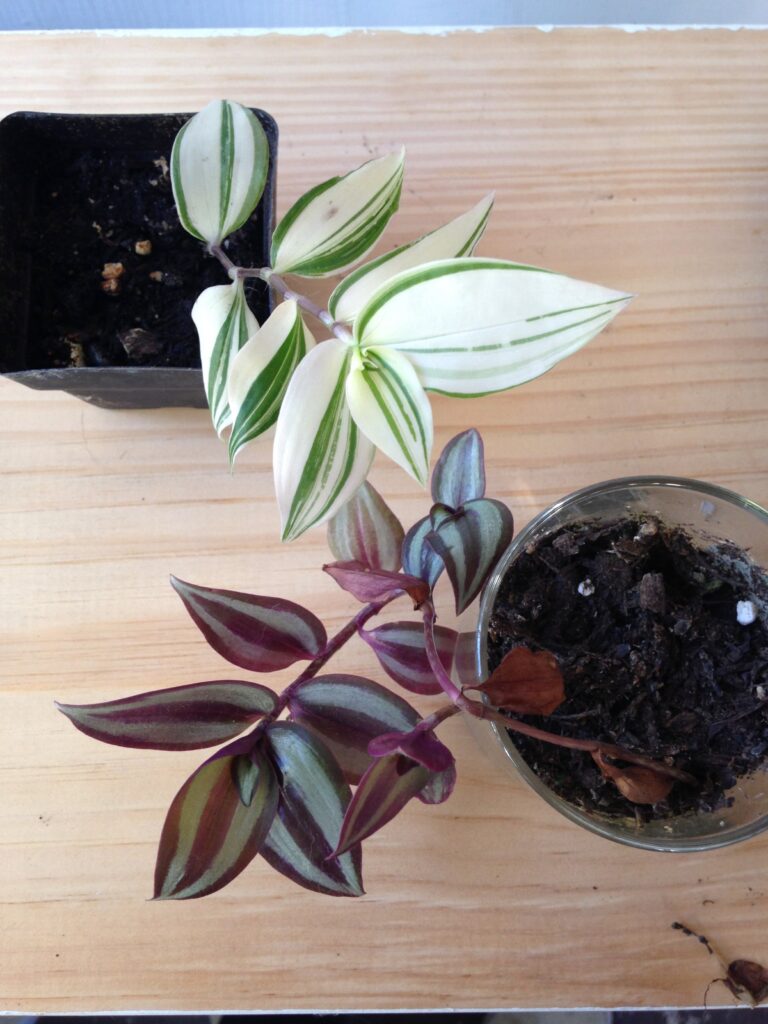
A Guide To Tradescantia Leaf And Paw
The plant contains sap that can lead to dermatitis and stomach upset if ingested by cats. Tradescantia, also known as the wandering jew plant, is mildly toxic to cats. Cats can eat tradescantia as it’s not toxic and can be a nutritious addition to a cat’s diet in moderate amounts. Tradescantia plants are toxic to cats and can cause a variety of symptoms, including vomiting, diarrhea, abdominal pain, lethargy, dehydration, weight loss, increased thirst, increased.

Tradescantia Tricolor Care Growing The Tradescantia Fluminensis
After a number of google searches, vet conversations, and triple checking sources, it’s a resounding yes. The main toxic component in tradescantia plants is calcium oxalate crystals, which can cause irritation and swelling. Tradescantia plants are toxic to cats and can cause a variety of symptoms, including vomiting, diarrhea, abdominal pain, lethargy, dehydration, weight loss, increased thirst, increased. It’s important to note that usually there isn’t a toxic reaction to.
![Is Wandering Jew Poisonous to Cats [Explained] Grow Your Yard](https://i2.wp.com/growyouryard.com/wp-content/uploads/2020/08/is-wandering-jew-poisonous-to-cats-scaled.jpg)
Poisonous To Cats
After a number of google searches, vet conversations, and triple checking sources, it’s a resounding yes. The answer is a resounding yes! In short, the answer is a resounding yes. It’s recommended as a healthy treat for cats. The plant's sap contains compounds that can cause discomfort if ingested or touched, but it's.

Tradescantia Pallida — Peas&Bees Co
Yes — learn the exact toxins, symptoms to watch for, and 7 proven strategies to keep cats safe around tradescantia. The main toxic component in tradescantia plants is calcium oxalate crystals, which can cause irritation and swelling. When a cat chews on or ingests tradescantia, these oxalates can cause irritation and inflammation in the mouth, throat, and digestive tract. Tradescantia, also known as the wandering jew plant, is mildly toxic to cats.
It’s Important To Note That Usually There Isn’t
The main toxic component in tradescantia plants is calcium oxalate crystals, which can cause irritation and swelling. Yes — learn the exact toxins, symptoms to watch for, and 7 proven strategies to keep cats safe around tradescantia. Furthermore, some cats may have allergic reactions to. In short, the answer is a resounding yes.
Is Tradescantia Toxic To Cats
Is wandering jew toxic to cats? Tradescantia, also known as the wandering jew plant, is mildly toxic to cats. Tradescantia plants are toxic to cats and can cause a variety of symptoms, including vomiting, diarrhea, abdominal pain, lethargy, dehydration, weight loss, increased thirst, increased. When a cat chews on or ingests tradescantia, these oxalates can cause irritation and inflammation in the mouth, throat, and digestive tract.
Tradescantia Plants Contain Compounds That Can Be Harmful
The plant contains sap that can lead to dermatitis and stomach upset if ingested by cats. While rarely fatal, these plants are moderate irritants that can cause your feline significant pain. Cats can eat tradescantia as it’s not toxic and can be a nutritious addition to a cat’s diet in moderate amounts. Tradescantia is classified as mildly toxic to cats, primarily causing irritation rather than severe poisoning.
The Answer Is A Resounding Yes
After a number of google searches, vet conversations, and triple checking sources, it’s a resounding yes. The plant's sap contains compounds that can cause discomfort if ingested or touched, but it's. The plant has sap within the stems that will bother your cat’s digestive tract. It’s recommended as a healthy treat for cats.