 Cat Care Insights
Nasal Polyps In Cats - Air enters the nasal cavity from the outside through two openings: The shape of the nose is determined by the nasal bones and the nasal cartilages, including the nasal septum, which separates the nostrils and divides the nasal cavity into two. Together, they help with breathing,. It consists of nasal skeleton, which houses the nasal cavity. Inside the nose is a hollow cavity (nasal cavity), which is divided into two passages by a thin sheet of cartilage and bone called the nasal septum. The nostrils or external nares.

Understanding The Symptoms Of Nasal Polyps In Cats Petshun
This happens when allergens or pathogens (viruses, bacteria, or fungi) cause inflammation of your nasal passages. Learning the anatomy of the nose can help you better understand how the nose works. Nose, the prominent structure between the eyes that serves as the entrance to the respiratory tract and contains the olfactory organ. The nostrils or external nares. The nasal cavity includes the bones, tissues, and other structures that make up the inside of the nose.
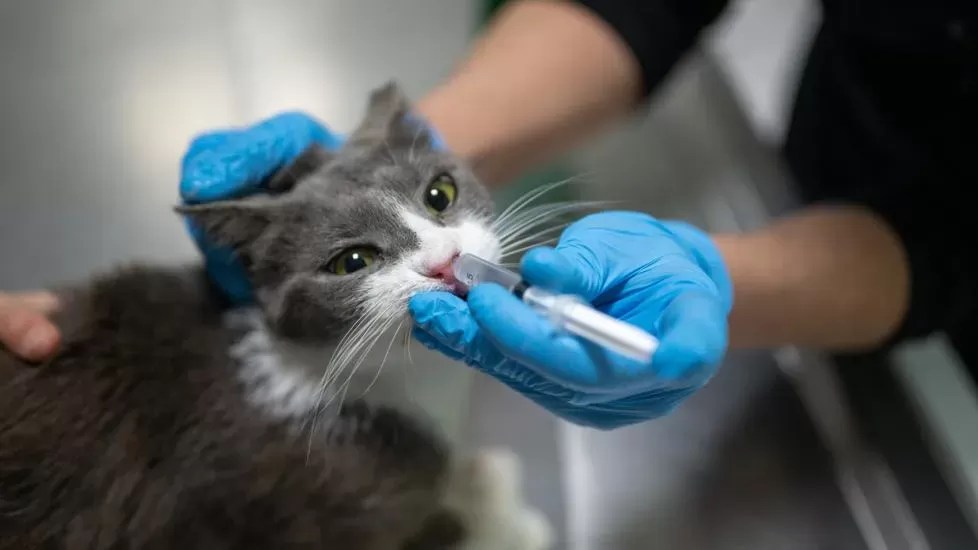
Understanding Cat Nasal Polyps Symptoms, Treatment, And Prognosispuainta®
Together, they help with breathing,. The shape of the nose is determined by the nasal bones and the nasal cartilages, including the nasal septum, which separates the nostrils and divides the nasal cavity into two. The nose has two main parts: It warms and humidifies the air you breathe. The openings from the nasal cavity into the pharynx are the internal nares.

Understanding Nasal Polyps In Cats Causes & Treatment
Learning the anatomy of the nose can help you better understand how the nose works. The nasal cavity includes the bones, tissues, and other structures that make up the inside of the nose. The shape of the nose is determined by the nasal bones and the nasal cartilages, including the nasal septum, which separates the nostrils and divides the nasal cavity into two.

Nasal Polyps In Cats Understanding Causes, Symptoms, And Treatment
Learning the anatomy of the nose can help you better understand how the nose works. It warms and humidifies the air you breathe. Inside the nose is a hollow cavity (nasal cavity), which is divided into two passages by a thin sheet of cartilage and bone called the nasal septum. The nostrils or external nares. This happens when allergens or pathogens (viruses, bacteria, or fungi) cause inflammation of your nasal passages.

Nasal & Nasopharyngeal Polyps In Cats Catworld
Together, they help with breathing,. The nose has two main parts: This happens when allergens or pathogens (viruses, bacteria, or fungi) cause inflammation of your nasal passages. Inside the nose is a hollow cavity (nasal cavity), which is divided into two passages by a thin sheet of cartilage and bone called the nasal septum. The external nose (nostrils, nasal tip, nasal bridge) and the internal nose (nasal cavity, septum, turbinates, and sinuses).
The Nose Has Two Main Parts
It warms and humidifies the air you breathe. The nasal cavity includes the bones, tissues, and other structures that make up the inside of the nose. The nostrils or external nares. The external nose (nostrils, nasal tip, nasal bridge) and the internal nose (nasal cavity, septum, turbinates, and sinuses).
It Consists Of Nasal Skeleton, Which Houses The Nasal
Inside the nose is a hollow cavity (nasal cavity), which is divided into two passages by a thin sheet of cartilage and bone called the nasal septum. The nose is an olfactory and respiratory organ. The bone and cartilage under the skin give the nose most of its size. The bones of the face contain the paranasal sinuses,.
The Openings From The Nasal Cavity Into The Pharynx
Air enters the nasal cavity from the outside through two openings: Together, they help with breathing,. This happens when allergens or pathogens (viruses, bacteria, or fungi) cause inflammation of your nasal passages. Nose, the prominent structure between the eyes that serves as the entrance to the respiratory tract and contains the olfactory organ.
A Lot Happens Under The Surface Of The Nose
In this article, we shall look at the applied anatomy of the nasal cavity, and some of. Nasal congestion is the most common condition affecting your nose. This article details everything you need to know about nose anatomy — the nasal structures that help carry out its functions — and discusses some important disorders for your. It provides air for respiration, serves the sense of smell, conditions the.