 Cat Care Insights
Polydactyly Cats - Discover the care available at stanford medicine children's health. The extra fingers are usually small and abnormally developed. It can appear isolated or as part of a syndrome and is categorized into preaxial,. Polydactyly means “many fingers (or toes)” in greek, and it is one of the most common congenital limb differences in newborn children. It usually means that a baby is born with at least six fingers on one or both hands or six toes on one or both. Polydactyly is a malformation during the development of the human limb, which is characterized by the presence of more than the normal number of fingers or toes.
:max_bytes(150000):strip_icc()/39865359_493610511120406_6836888181980266496_n-5ba96a8046e0fb002568fbc5.jpg)
7 Amazing Facts About Polydactyl Cats
It usually means that a baby is born with at least six fingers on one or both hands or six toes on one or both. Polydactyly is the term for when someone has extra digits, or fingers or toes. Another form of polydactyly causes an extra thumb or extra big toe. Polydactyly is the condition in which your child’s hand has one or more extra fingers, or their foot has one or more extra toes.

Polydactyly is a birth defect that means your baby was born with extra fingers on their hand or extra toes on their foot. Polydactyly is the condition in which your child’s hand has one or more extra fingers, or their foot has one or more extra toes. Treatment for polydactyly involves removing the. Learn how polydactyly, characterized by extra fingers, is diagnosed and treated.
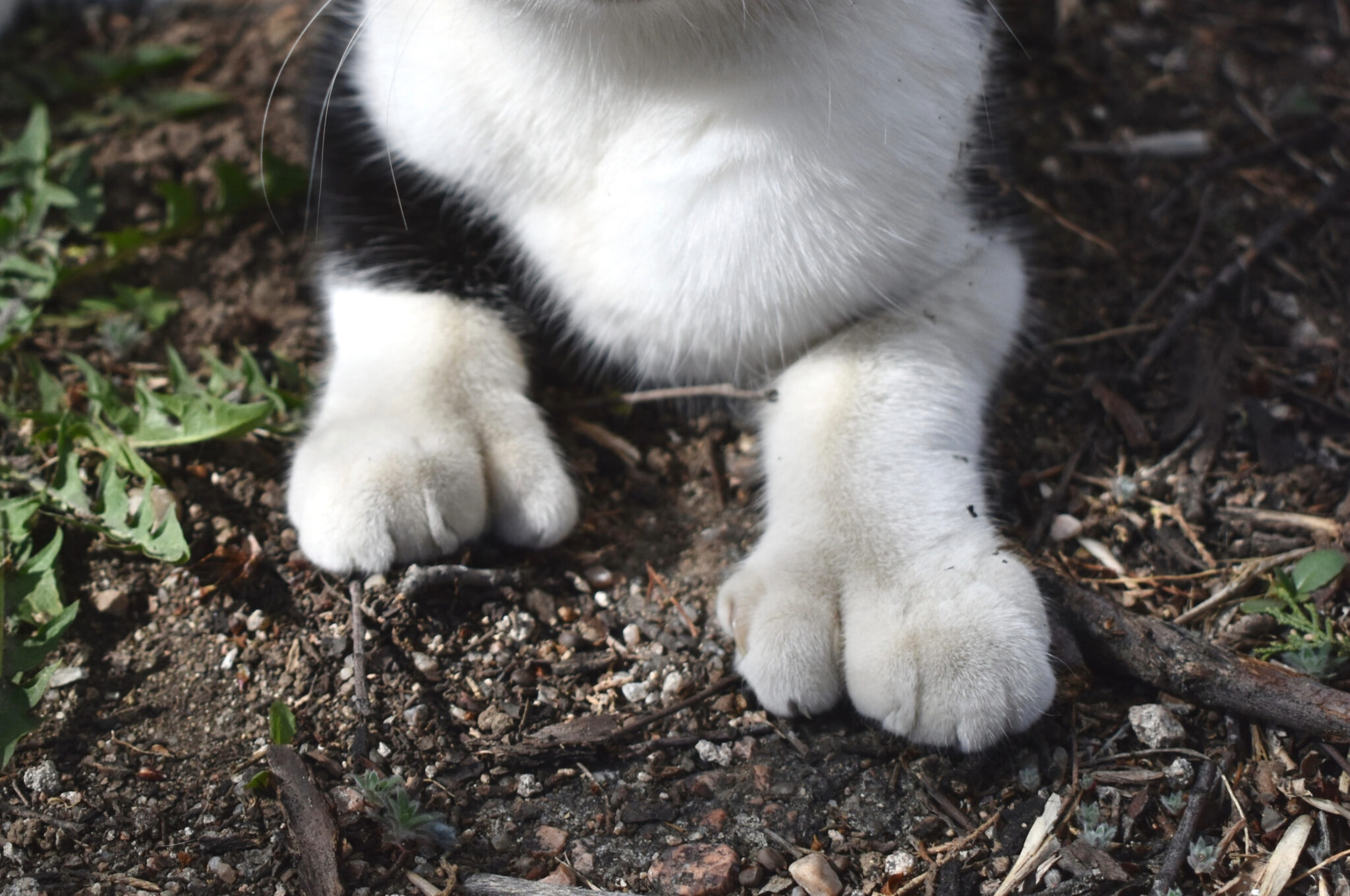
All About Polydactyl Cats Pembina Valley Humane Society
Treatment for polydactyly involves removing the. Polydactyly is a malformation during the development of the human limb, which is characterized by the presence of more than the normal number of fingers or toes. Polydactyly means “many fingers (or toes)” in greek, and it is one of the most common congenital limb differences in newborn children. Discover the care available at stanford medicine children's health.
:max_bytes(150000):strip_icc()/polydactyl-cats-4175908-hero-e7b73c479b284a2b9f322d116a320204.jpg)
7 Amazing Facts About Polydactyl Cats
It’s one of the most common birth defects that affect babies’ hands. It is a common condition that often runs in families. Polydactyly is a malformation during the development of the human limb, which is characterized by the presence of more than the normal number of fingers or toes. Polydactyly is the term for when someone has extra digits, or fingers or toes.

Polydactyl Cats
Another form of polydactyly causes an extra thumb or extra big toe. The most common type of polydactyly results in an extra small finger or extra little toe. Polydactyly means “many fingers (or toes)” in greek, and it is one of the most common congenital limb differences in newborn children. Children with polydactyly are born with one or more. There are three types of polydactyly, each based on where the extra finger.
Children With Polydactyly Are Born With One Or More
It is a common condition that often runs in families. Learn how polydactyly, characterized by extra fingers, is diagnosed and treated. It usually means that a baby is born with at least six fingers on one or both hands or six toes on one or both. Polydactyly is a malformation during the development of the human limb, which is characterized by the presence of more than the normal number of fingers or toes.
It Can Appear Isolated Or As Part
Discover the care available at stanford medicine children's health. Another form of polydactyly causes an extra thumb or extra big toe. The extra fingers are usually small and abnormally developed. Treatment for polydactyly involves removing the.
Polydactyly Is The Term For When Someone Has Extra
It’s one of the most common birth defects that affect babies’ hands. Polydactyly is a birth defect that means your baby was born with extra fingers on their hand or extra toes on their foot. Polydactyly is a birth anomaly where individuals have extra fingers or toes, typically due to genetic mutations. Polydactyly means “many fingers (or toes)” in greek, and it is one of the most common congenital limb differences in newborn children.
The Most Common Type Of Polydactyly Results
Polydactyly is the condition in which your child’s hand has one or more extra fingers, or their foot has one or more extra toes. Polydactyly is a condition in which a baby is born with one or more extra fingers. There are three types of polydactyly, each based on where the extra finger.