 Cat Care Insights
Uri Cats - If your cat is sneezing, has discharge from its eyes or nose, or has a fever, it may have an upper respiratory infection (uri). Successfully preventing and managing feline upper respiratory infection (uri) in a shelter setting requires more than medical treatment of a clinically ill cat. Studies have shown that length of stay is a significant risk factor for the development of feline uri. Feline upper respiratory infection (uri) is the common term for a respiratory infection caused by one or more viral or bacterial agents. Webmd discusses upper respiratory infection in cats and includes symptoms, treatment, and prevention. Feline upper respiratory infection (uri) can affect cats of all ages.

Fostering Cats
Read below to see common symptoms and treatment. Take your cat to the vet—it will likely need to be treated with. If your cat is sneezing, has discharge from its eyes or nose, or has a fever, it may have an upper respiratory infection (uri). A cat simply must socialize with an infected cat or share the same. Feline upper respiratory infection (uri) can affect cats of all ages.

Understanding The Symptoms And Treatment Of Feline Urinary Tract
Synonyms for this condition include feline infectious respiratory. If your cat is sneezing, has discharge from its eyes or nose, or has a fever, it may have an upper respiratory infection (uri). Learn about the potential causes and treatment options for cat uris. Feline upper respiratory infection (uri) can affect cats of all ages. Successfully preventing and managing feline upper respiratory infection (uri) in a shelter setting requires more than medical treatment of a clinically ill cat.

Can Cats
Successfully preventing and managing feline upper respiratory infection (uri) in a shelter setting requires more than medical treatment of a clinically ill cat. Feline upper respiratory infection (uri) is the common term for a respiratory infection caused by one or more viral or bacterial agents. Webmd discusses upper respiratory infection in cats and includes symptoms, treatment, and prevention. Read below to see common symptoms and treatment.

The Risk Of Cats Contracting Uri From Rodents What
Synonyms for this condition include feline infectious respiratory. If your cat is sneezing, has discharge from its eyes or nose, or has a fever, it may have an upper respiratory infection (uri). Successfully preventing and managing feline upper respiratory infection (uri) in a shelter setting requires more than medical treatment of a clinically ill cat. Upper respiratory infection (uri) in cats is common but can be tricky to treat.
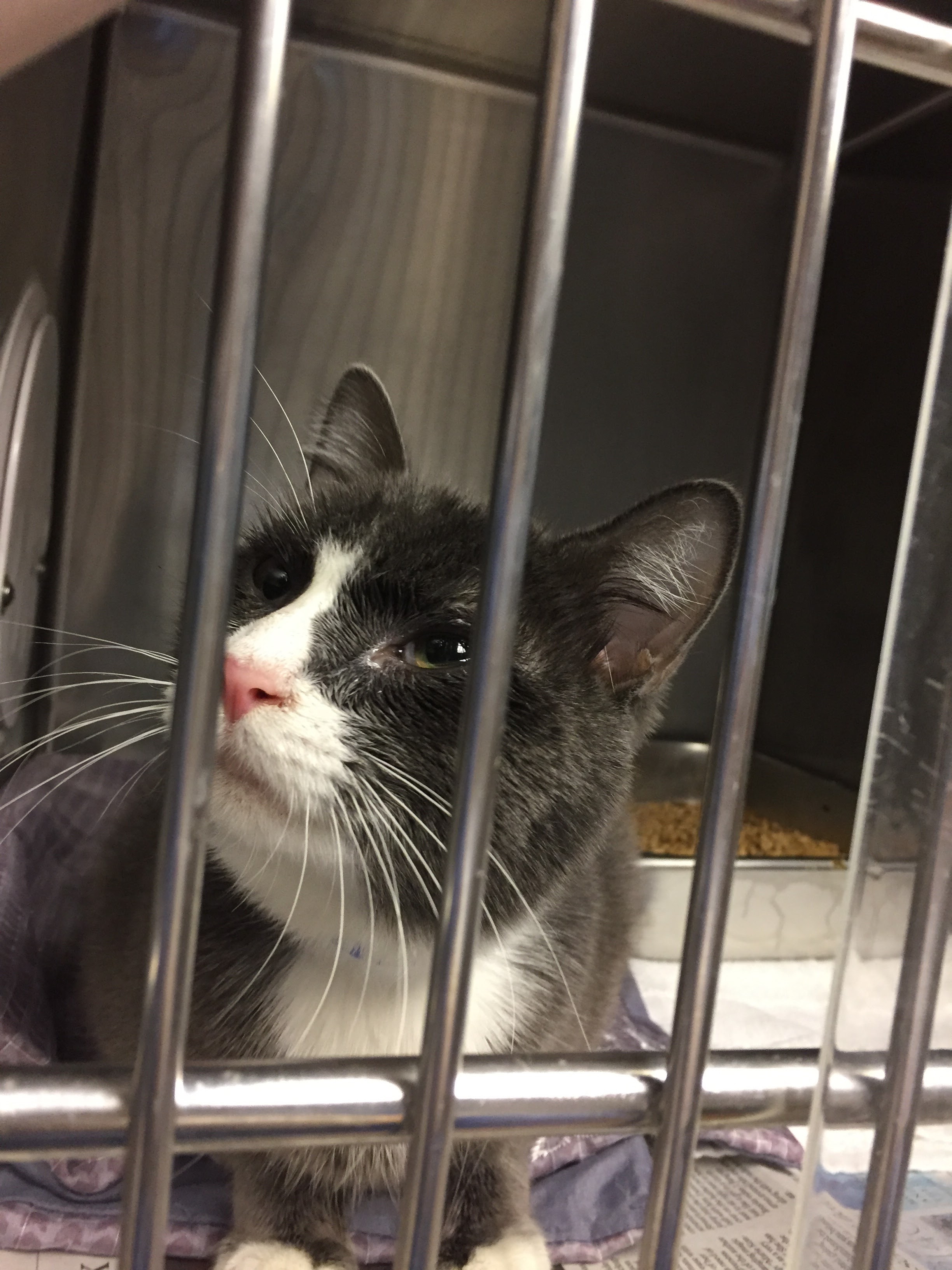
Uri Cats
Take your cat to the vet—it will likely need to be treated with. Feline upper respiratory infection (uri) can affect cats of all ages. Learn about the potential causes and treatment options for cat uris. Read below to see common symptoms and treatment. Webmd discusses upper respiratory infection in cats and includes symptoms, treatment, and prevention.
A Cat Simply Must Socialize With An Infected Cat
Successfully preventing and managing feline upper respiratory infection (uri) in a shelter setting requires more than medical treatment of a clinically ill cat. Read below to see common symptoms and treatment. Upper respiratory infections are common in cats, especially in shelters. Synonyms for this condition include feline infectious respiratory.
Take Your Cat To The Vet—It Will Likely Need
Upper respiratory infection (uri) in cats is common but can be tricky to treat. Learn the causes, symptoms, treatments, and recovery tips to help your cat feel better fast. If your cat is sneezing, has discharge from its eyes or nose, or has a fever, it may have an upper respiratory infection (uri). Webmd discusses upper respiratory infection in cats and includes symptoms, treatment, and prevention.
Learn About The Potential Causes And Treatment Options
Feline upper respiratory infection (uri) is the common term for a respiratory infection caused by one or more viral or bacterial agents. Feline upper respiratory infection (uri) can affect cats of all ages. The agents of feline upper respiratory infection are highly contagious and present wherever cats live in groups. Studies have shown that length of stay is a significant risk factor for the development of feline uri.