 Cat Care Insights
What Is Saddle Thrombus In Cats - This clot causes severely reduced blood flow to the tissues receiving blood from that section of the aorta, leading to decreased oxygen in the tissues. What is a saddle thrombus? This comprehensive guide will cover everything you need to know about saddle thrombus in cats, including its causes, symptoms, treatment options, prevention strategies, and financial. In summary, saddle thrombus in cats is a serious and often fatal condition that requires prompt veterinary attention. By being aware of the signs and symptoms of saddle thrombus, pet owners can. It affects as many as 25%of cats with.

Symptoms Of Saddle Thrombus In Cats Firstvet
It comes on suddenly and appears to paralyze the cat, causing one or both rear legs to. A blood clot can become lodged where the aorta branches near the cat’s hind legs. This type of blood clot is called a saddle thrombus. The 5 p’s are a set of clinical signs veterinarians look for to diagnose feline aortic thromboembolism (fate), commonly called saddle thrombus.
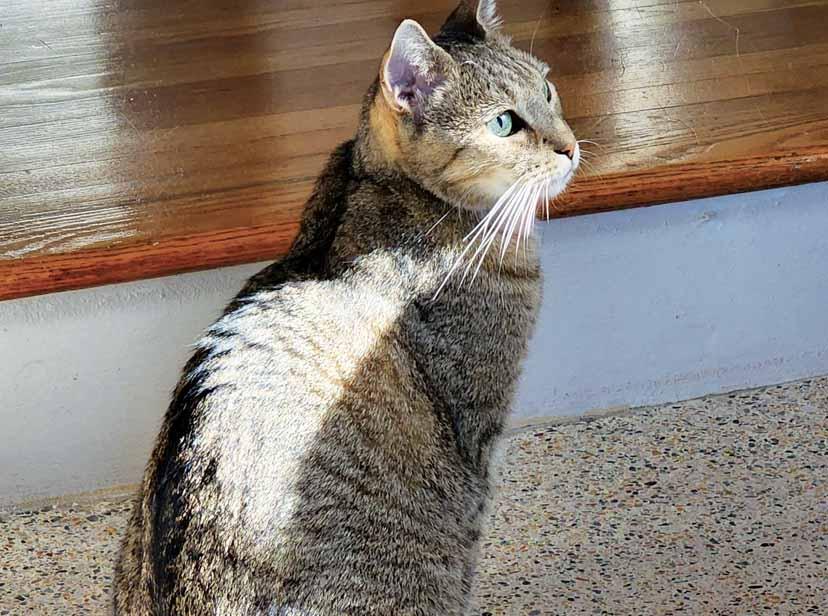
Saddle Thrombus In Cats Causes, Symptoms, Treatment, And Prevention
Fate (feline aortic thromboembolism) is a dramatic and painful condition with serious implications. This condition is also sometimes called a saddle. This type of blood clot is called a saddle thrombus. Saddle thrombus, more properly called feline aortic thromboembolism (fate), is an often fatal condition caused by a blood clot that blocks blood flow to the cat's rear legs. Hcm is an inward enlargement of the heart muscles, which.

Saddle Thrombus In Cats Signs And Symptoms Petshun
Fate (feline aortic thromboembolism) is a dramatic and painful condition with serious implications. This type of blood clot is called a saddle thrombus. This clot causes severely reduced blood flow to the tissues receiving blood from that section of the aorta, leading to decreased oxygen in the tissues. A blood clot can become lodged where the aorta branches near the cat’s hind legs.

Saddle Thrombus In Cats Great Pet Care
The 5 p’s are a set of clinical signs veterinarians look for to diagnose feline aortic thromboembolism (fate), commonly called saddle thrombus. This type of blood clot is called a saddle thrombus. By being aware of the signs and symptoms of saddle thrombus, pet owners can. This comprehensive guide will cover everything you need to know about saddle thrombus in cats, including its causes, symptoms, treatment options, prevention strategies, and financial.

Saddle Thrombus In Cats Great Pet Care
This comprehensive guide will cover everything you need to know about saddle thrombus in cats, including its causes, symptoms, treatment options, prevention strategies, and financial. This type of blood clot is called a saddle thrombus. Saddle thrombus, more properly called feline aortic thromboembolism (fate), is an often fatal condition caused by a blood clot that blocks blood flow to the cat's rear legs.
Heart Disease In Cats
It affects as many as 25%of cats with. This clot causes severely reduced blood flow to the tissues receiving blood from that section of the aorta, leading to decreased oxygen in the tissues. Fate (feline aortic thromboembolism) is a dramatic and painful condition with serious implications. The 5 p’s are a set of clinical signs veterinarians look for to diagnose feline aortic thromboembolism (fate), commonly called saddle thrombus.
What Is A Saddle Thrombus?
Hcm is an inward enlargement of the heart muscles, which. This type of blood clot is called a saddle thrombus. This comprehensive guide will cover everything you need to know about saddle thrombus in cats, including its causes, symptoms, treatment options, prevention strategies, and financial. The most common cause of saddle thrombus in cats is heart disease, namely hypertrophic cardiomyopathy (hcm).
Saddle Thrombus In Cats
A saddle thrombus, or aortic thromboembolism, is an urgent medical condition that affects cats, causing severe pain and paralysis in the back legs. It comes on suddenly and appears to paralyze the cat, causing one or both rear legs to. Saddle thrombus, more properly called feline aortic thromboembolism (fate), is an often fatal condition caused by a blood clot that blocks blood flow to the cat's rear legs. This condition is also sometimes called a saddle.
By Being Aware Of The Signs And Symptoms
A blood clot can become lodged where the aorta branches near the cat’s hind legs.