 Cat Care Insights
When Were Cats First Domesticated - Do i use was or were in this sentence? Apart from the special case of you,. Is used as the standard question. We was is not standard english, it is used in some regional dialects: Bonnie, along with her associates, was invited to the gathering. Neither he nor his friends were/was present at the party?

What Was Domesticated First Cats Or Dogs
Were you able to attend the meeting yesterday? Apart from the special case of you,. Neither he nor his friends were/was present at the party? From other's conversation,i found out they mentioned i was and sometimes they also mentioned i were. Is there any rules for i was/were?

Cats Were First Domesticated In The Near East
What is the difference between were and have been, and are these sentences gramatically correct? Neither he nor his friends were/was present at the party? I learned from many sources that as if it were is accepted by all native english speakers. From other's conversation,i found out they mentioned i was and sometimes they also mentioned i were. I cannot understand in what kind of context a guy would say that, could someone make up a scenario?

What Was Domesticated First Cats Or Dogs
From other's conversation,i found out they mentioned i was and sometimes they also mentioned i were. Were you able to attend the meeting yesterday? And as if it was is widely used, especially informally. Is used as the standard question. But i cannot rule out the possibility that indian english—and specifically indian political english—has evolved this usage of were to precisely in order to express firmness and caution in the same.

Ancient Dna Shows Cats Domesticated Themselves Why Are We
But i cannot rule out the possibility that indian english—and specifically indian political english—has evolved this usage of were to precisely in order to express firmness and caution in the same. From other's conversation,i found out they mentioned i was and sometimes they also mentioned i were. Were you able to attend the meeting yesterday? Tends to be used for things that are going to happen in the future, for example could you.
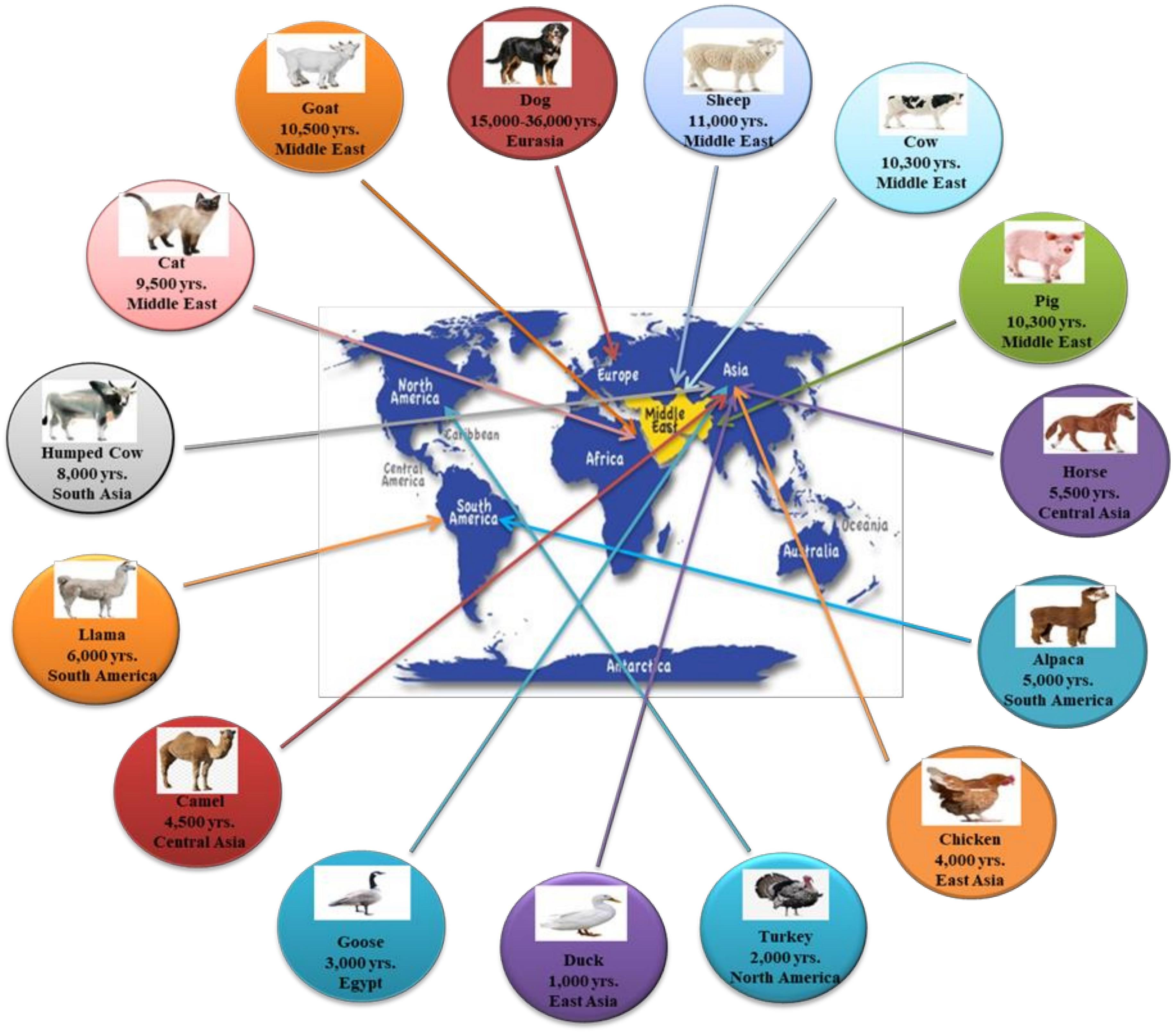
What Was Domesticated First Cats Or Dogs
We was is not standard english, it is used in some regional dialects: Bonnie, along with her associates, was invited to the gathering. Apart from the special case of you,. Do i use was or were in this sentence? What is the difference between were and have been, and are these sentences gramatically correct?
Is The Simple Present Indicative Accepted As
Tends to be used for things that are going to happen in the future, for example could you. 1) some of the best known writers of detective fiction in the twentieth century were women. And as if it was is widely used, especially informally. But i cannot rule out the possibility that indian english—and specifically indian political english—has evolved this usage of were to precisely in order to express firmness and caution in the same.
Is There Any Rules For I Was/Were?
From other's conversation,i found out they mentioned i was and sometimes they also mentioned i were. Were you able to attend the meeting yesterday? Neither he nor his friends were/was present at the party? I learned from many sources that as if it were is accepted by all native english speakers.
Do I Use Was Or Were In This Sentence?
Bonnie, along with her associates, was invited to the gathering. What is the difference between were and have been, and are these sentences gramatically correct? Apart from the special case of you,. Is used as the standard question.
I Cannot Understand In What Kind Of Context
We was is not standard english, it is used in some regional dialects: Were you able to attend the meeting yesterday?