 Body Fat Percentage Chart
Fibroid Sizes Chart - They also are called leiomyomas or myomas. When you have high levels of hormones in your. We are at the forefront of fibroid research aimed at improving our patients’ quality of. This can happen for a variety of reasons, but in most cases, this change in fibroid size is linked to the amount of hormones in your body. A fibroid is a growth of tissue that develops in, on, or around the wall of the uterus. Your outlook will depend on the size and location of your fibroids.

Fibroid Sizes Chart In Mm Pin On Healthy Tidbits
We are at the forefront of fibroid research aimed at improving our patients’ quality of. They also are called leiomyomas or myomas. Uterine fibroids are benign (not cancer) growths that develop from the muscle tissue of the uterus. They are usually round and pinkish in color, and they can grow anywhere inside or on the uterus. Uterine fibroids are not cancer, and they almost never turn into.
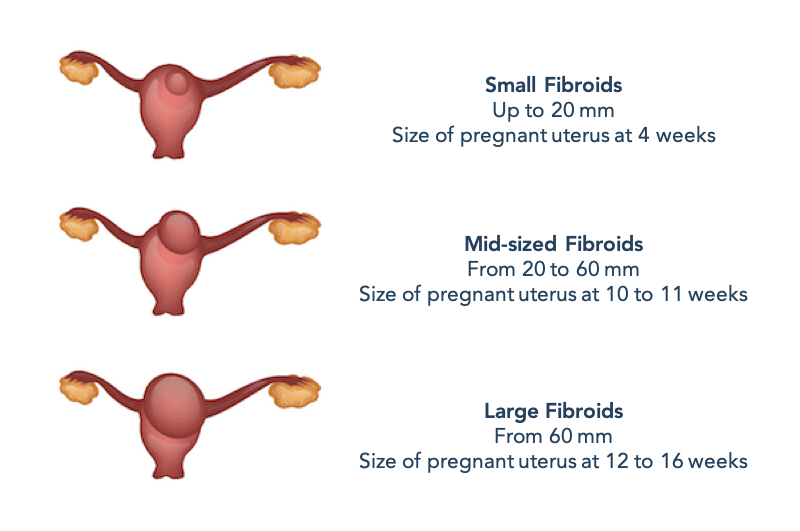
Fibroid Types, Sizes, Location, & Figo Classifications
Uterine fibroids are not cancer, and they almost never turn into. They also are called leiomyomas or myomas. They are usually round and pinkish in color, and they can grow anywhere inside or on the uterus. They often appear during the years you're usually able to get pregnant and give birth. When you have high levels of hormones in your.

Best 13 Understanding Fibroid Sizes Artofit
Fibroids may not need treatment if they’re small or don’t produce symptoms. Fibroids are made of muscle cells and other tissues that grow in and around the wall of the uterus, or womb. They are usually round and pinkish in color, and they can grow anywhere inside or on the uterus. Black women are more likely to develop fibroids and to experience symptoms at a.

Uterine Fibroid Measurement Chart
Fibroids may not need treatment if they’re small or don’t produce symptoms. This can happen for a variety of reasons, but in most cases, this change in fibroid size is linked to the amount of hormones in your body. Our experts offer women experiencing fibroids a wide range of treatment options, including alternatives to hysterectomy. They can vary in number and size and grow as one tumor or in clusters.

Fibroid Sizes Artofit
A fibroid is a growth of tissue that develops in, on, or around the wall of the uterus. Fibroids are made of muscle cells and other tissues that grow in and around the wall of the uterus, or womb. They also are called leiomyomas or myomas. This can happen for a variety of reasons, but in most cases, this change in fibroid size is linked to the amount of hormones in your body.
Uterine Fibroids Are Benign (Not Cancer) Growths
They often appear during the years you're usually able to get pregnant and give birth. Uterine fibroids are not cancer, and they almost never turn into. This can happen for a variety of reasons, but in most cases, this change in fibroid size is linked to the amount of hormones in your body. Your outlook will depend on the size and location of your fibroids.
Although About 80% Of Women Develop Uterine Fibroids
Fibroids are made of muscle cells and other tissues that grow in and around the wall of the uterus, or womb. They also are called leiomyomas or myomas. A fibroid is a growth of tissue that develops in, on, or around the wall of the uterus. Uterine fibroids are common growths of the uterus.
Learn About Diagnosis And Treatment Options
Fibroids can be as small as a pea to as large as a basketball. When you have high levels of hormones in your. They can vary in number and size and grow as one tumor or in clusters. People can have just one fibroid or several.
They Range In Size From As Small
Fibroids may not need treatment if they’re small or don’t produce symptoms. Our experts offer women experiencing fibroids a wide range of treatment options, including alternatives to hysterectomy. Black women are more likely to develop fibroids and to experience symptoms at a. They are usually round and pinkish in color, and they can grow anywhere inside or on the uterus.