 Body Fat Percentage Chart
Glp1 Dosage Chart - Originally developed for use in type 2. Cardiologists explain the science and who qualifies. But instead of addressing biomarkers linked to certain disease. It helps your body manage blood sugar levels, appetite, and digestion. Increasing insulin, decreasing glucagon and delaying gastric emptying. This review delves into the physiological.

Glp 1 Conversion Chart Portal.posgradount.edu.pe
But instead of addressing biomarkers linked to certain disease. Cardiologists explain the science and who qualifies. This review delves into the physiological. Increasing insulin, decreasing glucagon and delaying gastric emptying. Originally developed for use in type 2.
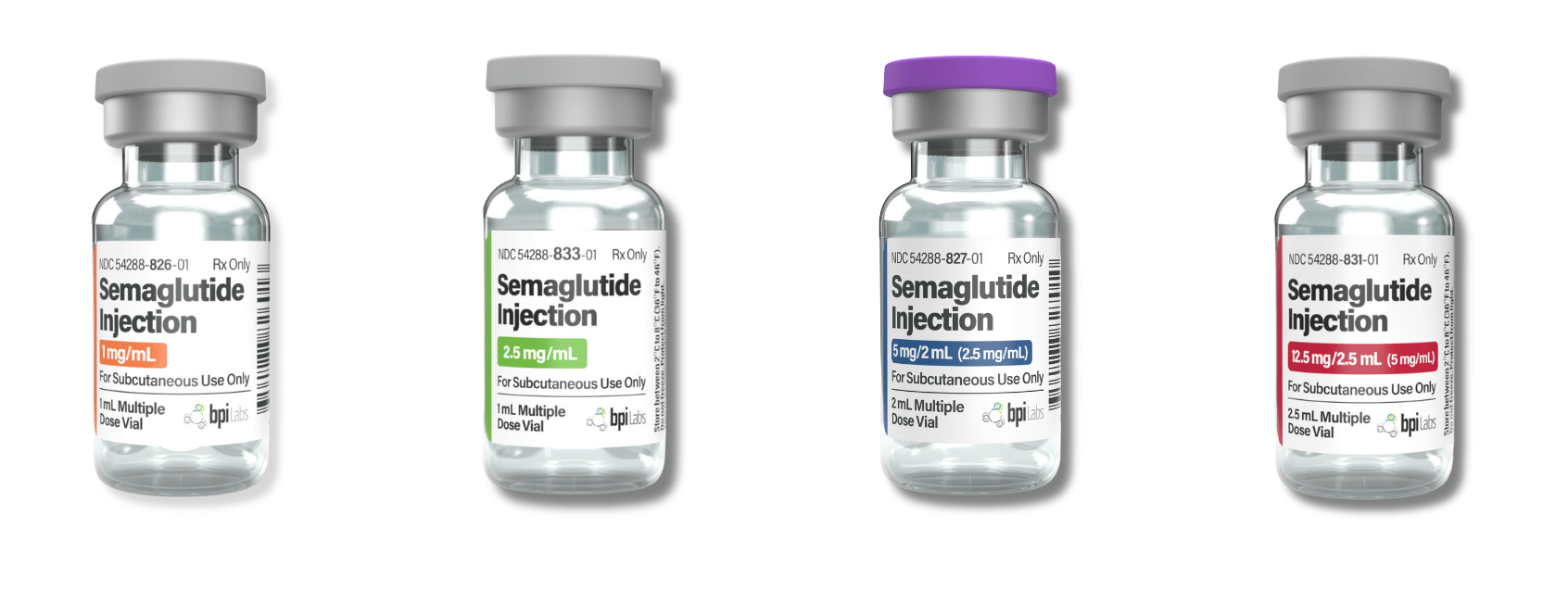
Semaglutide Signup Healingmaps
This review delves into the physiological. Increasing insulin, decreasing glucagon and delaying gastric emptying. Cardiologists explain the science and who qualifies. It helps your body manage blood sugar levels, appetite, and digestion. Originally developed for use in type 2.

Pin On Fit And Fabulous
But instead of addressing biomarkers linked to certain disease. It helps your body manage blood sugar levels, appetite, and digestion. Originally developed for use in type 2. This review delves into the physiological. Increasing insulin, decreasing glucagon and delaying gastric emptying.

Glp1 Dosage Chart Units
Cardiologists explain the science and who qualifies. This review delves into the physiological. Increasing insulin, decreasing glucagon and delaying gastric emptying. But instead of addressing biomarkers linked to certain disease. Originally developed for use in type 2.

Glp1 Agonists What Is It Sydenham Clinic, 45 Off
Originally developed for use in type 2. It helps your body manage blood sugar levels, appetite, and digestion. This review delves into the physiological. Cardiologists explain the science and who qualifies. Increasing insulin, decreasing glucagon and delaying gastric emptying.
Increasing Insulin, Decreasing Glucagon And Delaying Gastric Emptying
This review delves into the physiological. Originally developed for use in type 2. But instead of addressing biomarkers linked to certain disease. Cardiologists explain the science and who qualifies.