 Body Fat Percentage Chart
Glycemic Index And Glycemic Load Chart - The glycemic index can identify which foods cause wild swings in blood sugar. Foods are categorized as low gi (55 or less), medium gi. The glycemic index is a measure of how much foods with carbohydrates raise blood sugar. Low gi foods cause a slower, gradual rise in blood sugar, while high gi foods trigger a rapid increase. This page provides a comprehensive gi index chart and their corresponding glycemic index and glycemic load values for easy reference. A food with a glycemic index of 28 boosts blood.

A food with a glycemic index of 28 boosts blood. The glycemic index is a measure of how much foods with carbohydrates raise blood sugar. Here’s a rundown of what foods are part of a low glycemic index diet, and which to avoid. The glycemic index is a way to think about how healthy foods are based on their effect on blood sugar.
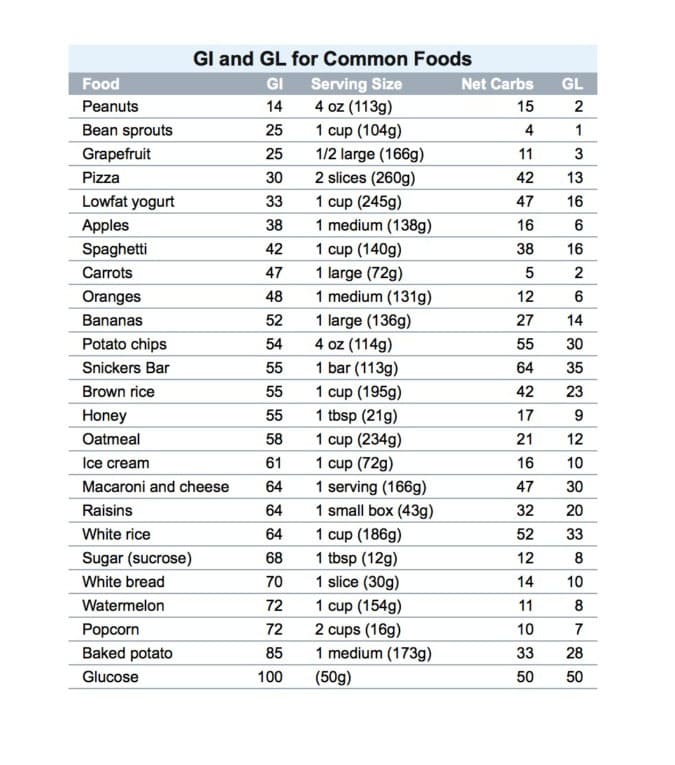
Foods are categorized as low gi (55 or less), medium gi. This page provides a comprehensive gi index chart and their corresponding glycemic index and glycemic load values for easy reference. Glycemic index does not predict an individual's glycemic response to a food, but can be used as a tool to assess the insulin response burden of a food, averaged across a studied population.

Printable Glycemic Index Load Chart Printable New Year Banners
The glycemic index (gi) is a value used to measure how much a specific food increases your blood sugar levels. The glycemic index is a way to think about how healthy foods are based on their effect on blood sugar. Foods are categorized as low gi (55 or less), medium gi. High gi foods, like pretzels (glycemic index. Glycemic index does not predict an individual's glycemic response to a food, but can be used as a tool to assess the insulin response burden of a food, averaged across a studied population.

Food Glycemic Index And Load Chart Free Download
The glycemic index can identify which foods cause wild swings in blood sugar. A food with a glycemic index of 28 boosts blood. The glycemic index is a way to think about how healthy foods are based on their effect on blood sugar. The glycemic index (gi) is a measure of how quickly a food causes our blood sugar levels to rise after eating, based on a scale of 0 to 100.

Here’s a rundown of what foods are part of a low glycemic index diet, and which to avoid. The glycemic index is a measure of how much foods with carbohydrates raise blood sugar. The glycemic index is a way to think about how healthy foods are based on their effect on blood sugar. Low gi foods cause a slower, gradual rise in blood sugar, while high gi foods trigger a rapid increase.
High Gi Foods, Like Pretzels (Glycemic Index
This page provides a comprehensive gi index chart and their corresponding glycemic index and glycemic load values for easy reference. Glycemic index does not predict an individual's glycemic response to a food, but can be used as a tool to assess the insulin response burden of a food, averaged across a studied population. The glycemic index is a way to think about how healthy foods are based on their effect on blood sugar. Here’s a rundown of what foods are part of a low glycemic index diet, and which to avoid.
The Glycemic Index (Gi) Is A Value Used
The glycemic index can identify which foods cause wild swings in blood sugar. The glycemic index rates the effect of a specific amount of a food on blood sugar compared with the same amount of pure glucose. The glycemic index (gi) is a measure of how quickly a food causes our blood sugar levels to rise after eating, based on a scale of 0 to 100. Foods are categorized as low gi (55 or less), medium gi.
A Food With A Glycemic Index Of 28 Boosts
Low gi foods cause a slower, gradual rise in blood sugar, while high gi foods trigger a rapid increase. The glycemic index is a measure of how much foods with carbohydrates raise blood sugar.