 Color Chart Reference
Irs Rollover Chart - A rollover occurs when you withdraw cash or other assets from one eligible retirement plan and contribute all or part of it, within 60 days, to another eligible retirement plan. A qualified plan distributing its assets using the substantially equal periodic payment method can roll over or transfer some or all its assets to another qualified plan. Learn about tax deductions, iras and work retirement plans, spousal iras and more. Information about ira contribution limits. Find out how and when to roll over your retirement plan or ira to another retirement plan or ira. You can’t deduct a rollover contribution, but you must report the rollover distribution on your tax return as discussed later under reporting rollovers from iras and reporting rollovers from employer plans.

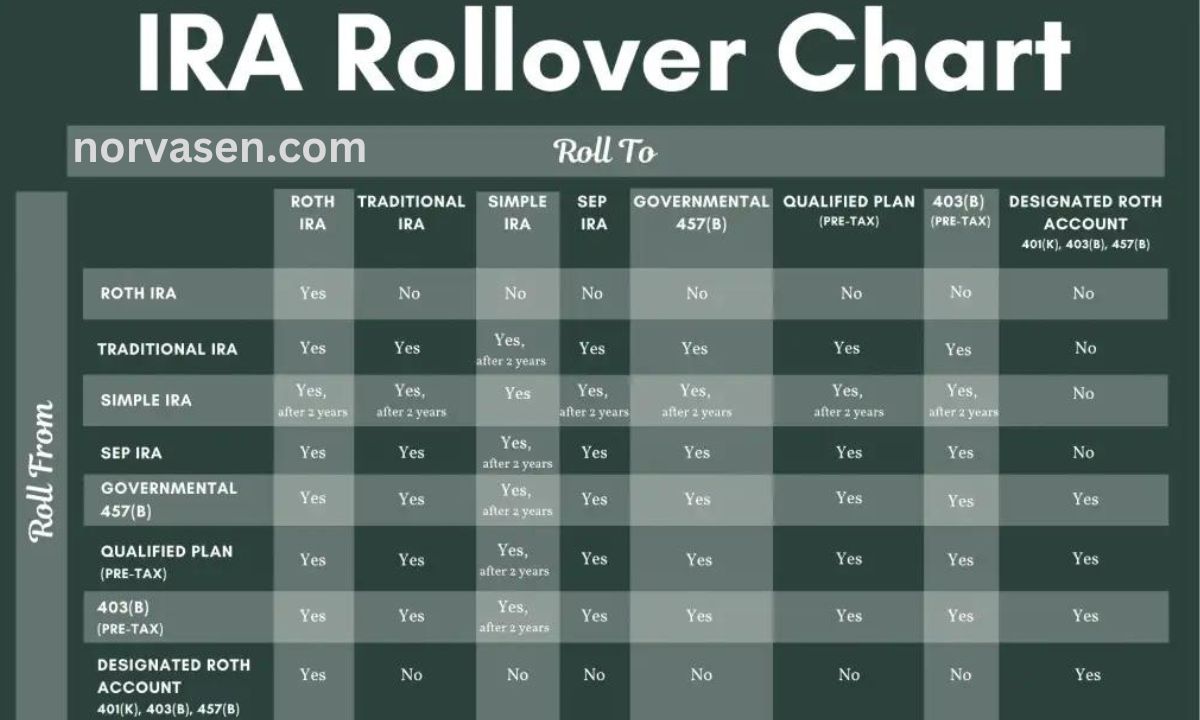
A qualified plan distributing its assets using the substantially equal periodic payment method can roll over or transfer some or all its assets to another qualified plan. Review a chart of allowable rollover transactions. Find out how and when to roll over your retirement plan or ira to another retirement plan or ira. Information about ira contribution limits. A rollover occurs when you withdraw cash or other assets from one eligible retirement plan and contribute all or part of it, within 60 days, to another eligible retirement plan.

Ira Rollover Chart Pdf
A rollover occurs when you withdraw cash or other assets from one eligible retirement plan and contribute all or part of it, within 60 days, to another eligible retirement plan. Information about ira contribution limits. Learn about tax deductions, iras and work retirement plans, spousal iras and more. A qualified plan distributing its assets using the substantially equal periodic payment method can roll over or transfer some or all its assets to another qualified plan.
A qualified plan distributing its assets using the substantially equal periodic payment method can roll over or transfer some or all its assets to another qualified plan. Find out how and when to roll over your retirement plan or ira to another retirement plan or ira. Review a chart of allowable rollover transactions. A rollover occurs when you withdraw cash or other assets from one eligible retirement plan and contribute all or part of it, within 60 days, to another eligible retirement plan.
Irs Rollover Chart
A qualified plan distributing its assets using the substantially equal periodic payment method can roll over or transfer some or all its assets to another qualified plan. Review a chart of allowable rollover transactions. Find out how and when to roll over your retirement plan or ira to another retirement plan or ira. You can’t deduct a rollover contribution, but you must report the rollover distribution on your tax return as discussed later under reporting rollovers from iras and reporting rollovers from employer plans.

Irs Retirement Plan Comparison Chart
Find out how and when to roll over your retirement plan or ira to another retirement plan or ira. A qualified plan distributing its assets using the substantially equal periodic payment method can roll over or transfer some or all its assets to another qualified plan. Review a chart of allowable rollover transactions. You can’t deduct a rollover contribution, but you must report the rollover distribution on your tax return as discussed later under reporting rollovers from iras and reporting rollovers from employer plans.
Find Out How And When To Roll
Information about ira contribution limits. Learn about tax deductions, iras and work retirement plans, spousal iras and more. A rollover occurs when you withdraw cash or other assets from one eligible retirement plan and contribute all or part of it, within 60 days, to another eligible retirement plan. You can’t deduct a rollover contribution, but you must report the rollover distribution on your tax return as discussed later under reporting rollovers from iras and reporting rollovers from employer plans.
A Qualified Plan Distributing Its Assets Using The Substantially
Review a chart of allowable rollover transactions.