 Seating Arrangement Guide
Mallard Duckling Age Chart - Find out about the nesting habits, populations, legal status and more Look for mallards on open water. The mallard is a familiar sight on ponds and lakes in many parts of the world, and many people readily recognize this bird. Like many “dabbling ducks” the body is long and the tail rides high out of the water, giving a blunt shape. Breeding throughout europe, most of asia, and. Mallards are large ducks with hefty bodies, rounded heads, and wide, flat bills.
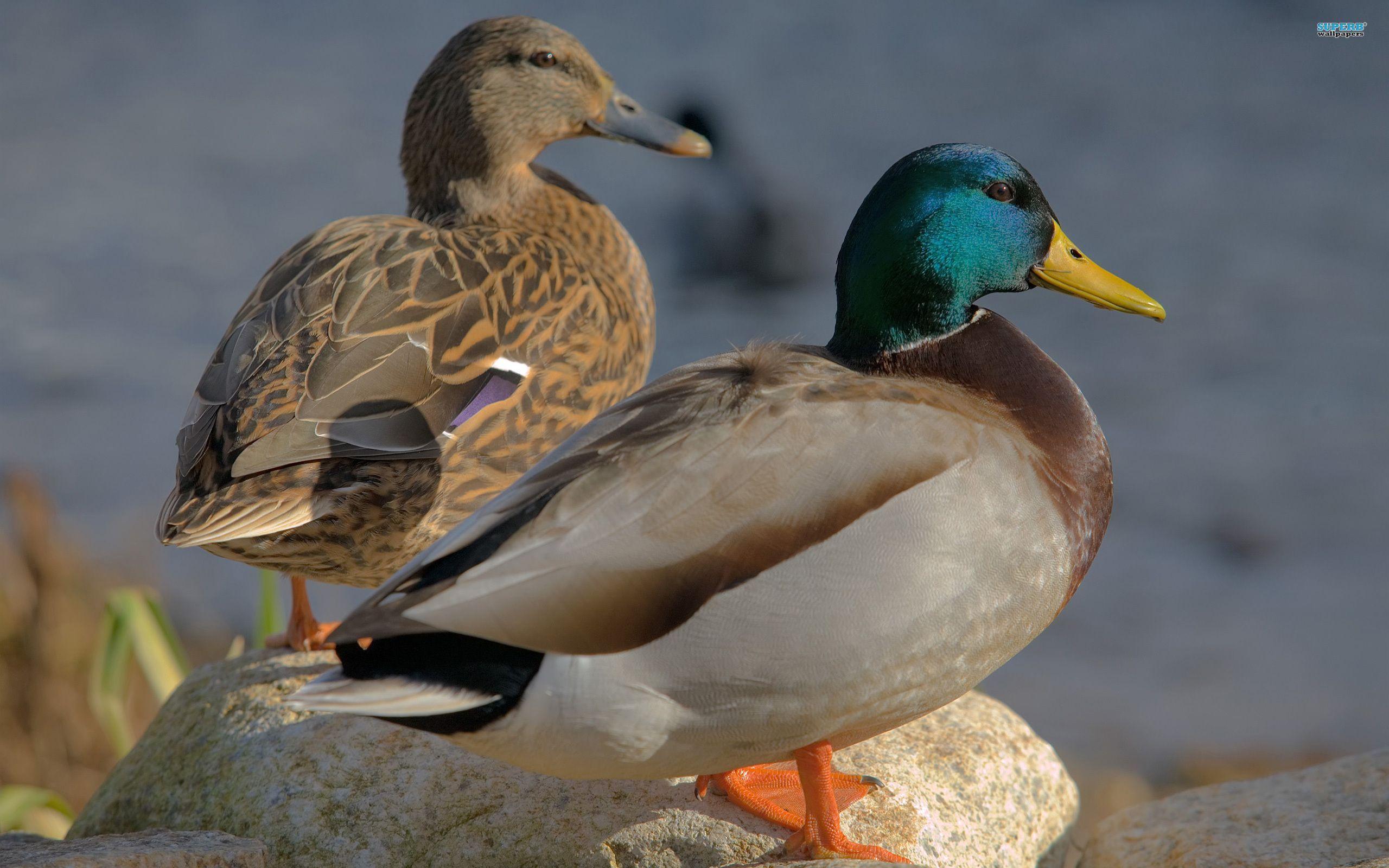
Mallard Duck Wallpapers Wallpaper Cave
Mallards are large ducks with hefty bodies, rounded heads, and wide, flat bills. The mallard is a large, heavy looking duck. Like many “dabbling ducks” the body is long and the tail rides high out of the water, giving a blunt shape. Mallards live in wetlands, eat water plants. Learn more about mallard from… a large duck, generally common and familiar within its extensive range.

Mallard Duck
Learn more about mallard from… a large duck, generally common and familiar within its extensive range. Mallards are large ducks with hefty bodies, rounded heads, and wide, flat bills. Look for mallards on open water. They have also been introduced to south africa and australia. The mallard (/ ˈmælɑːrd, ˈmælərd /) or wild duck (anas platyrhynchos) is a dabbling duck that breeds throughout the temperate and subtropical americas, eurasia, and north africa.

Male Mallards Disappear Birdnote
The mallard is a large, heavy looking duck. The mallard is a familiar sight on ponds and lakes in many parts of the world, and many people readily recognize this bird. Breeding throughout europe, most of asia, and. Mallards live in wetlands, eat water plants. Look for mallards on open water.

Mallard Duck
Learn more about mallard from… a large duck, generally common and familiar within its extensive range. Like many “dabbling ducks” the body is long and the tail rides high out of the water, giving a blunt shape. Mallards live in wetlands, eat water plants. Mallard, (anas platyrhynchos), abundant “wild duck” of the northern hemisphere that is the ancestor of most domestic ducks.

Male Mallard Duck Free Stock Photo Public Domain Pictures
They have also been introduced to south africa and australia. The mallard is a large, heavy looking duck. They usually nest near the water’s edge. Learn more about mallard from… a large duck, generally common and familiar within its extensive range. The mallard (anas platyrhynchos) is a dabbling duck that breeds throughout the temperate and subtropical americas, eurasia, and north africa.
The Mallard (/ ˈMælɑːrd, ˈMælərd /) Or Wild Duck
Males are distinctive with iridescent green head, yellow bill, chestnut breast, and gray. They usually nest near the water’s edge. Mallards are large ducks with hefty bodies, rounded heads, and wide, flat bills. The mallard is a familiar sight on ponds and lakes in many parts of the world, and many people readily recognize this bird.
The Mallard Is The Most Familiar Of All
It has a long body and long, broad bill. The mallard (anas platyrhynchos) is a dabbling duck that breeds throughout the temperate and subtropical americas, eurasia, and north africa. Like many “dabbling ducks” the body is long and the tail rides high out of the water, giving a blunt shape. Look for mallards on open water.
Breeding Throughout Europe, Most Of Asia, And
The mallard is a large, heavy looking duck. Learn more about mallard from… a large duck, generally common and familiar within its extensive range. Abundant over most of the northern hemisphere, the mallard is the most familiar wild duck to many people, and the ancestor of most strains of domesticated ducks. Learn what a mallard duck looks like and sounds like.
Find Out About The Nesting Habits, Populations, Legal Status
Only the male mallard, or drake, has the glossy green head and. Mallards live in wetlands, eat water plants. They have also been introduced to south africa and australia. Mallard, (anas platyrhynchos), abundant “wild duck” of the northern hemisphere that is the ancestor of most domestic ducks.