 Body Fat Percentage Chart
Riprap Size Chart - If you have a waterfront. It is especially useful for armoring channel and ditch banks, among other features. Riprap refers to large pieces of rock or other durable materials that are strategically placed along shorelines, riverbanks, hillsides, or other vulnerable areas to protect against erosion. It is useful for armoring areas against waves and water flows. One such change is the reduction of sediment settlement in the river channel, which can lead to scouring of the river bed as well as. Highlights riprap is an erosion control solution that consists of large rocks and stones.

Riprap Sizing Spreadsheet —
Highlights riprap is an erosion control solution that consists of large rocks and stones. One such change is the reduction of sediment settlement in the river channel, which can lead to scouring of the river bed as well as. Riprap refers to large pieces of rock or other durable materials that are strategically placed along shorelines, riverbanks, hillsides, or other vulnerable areas to protect against erosion.
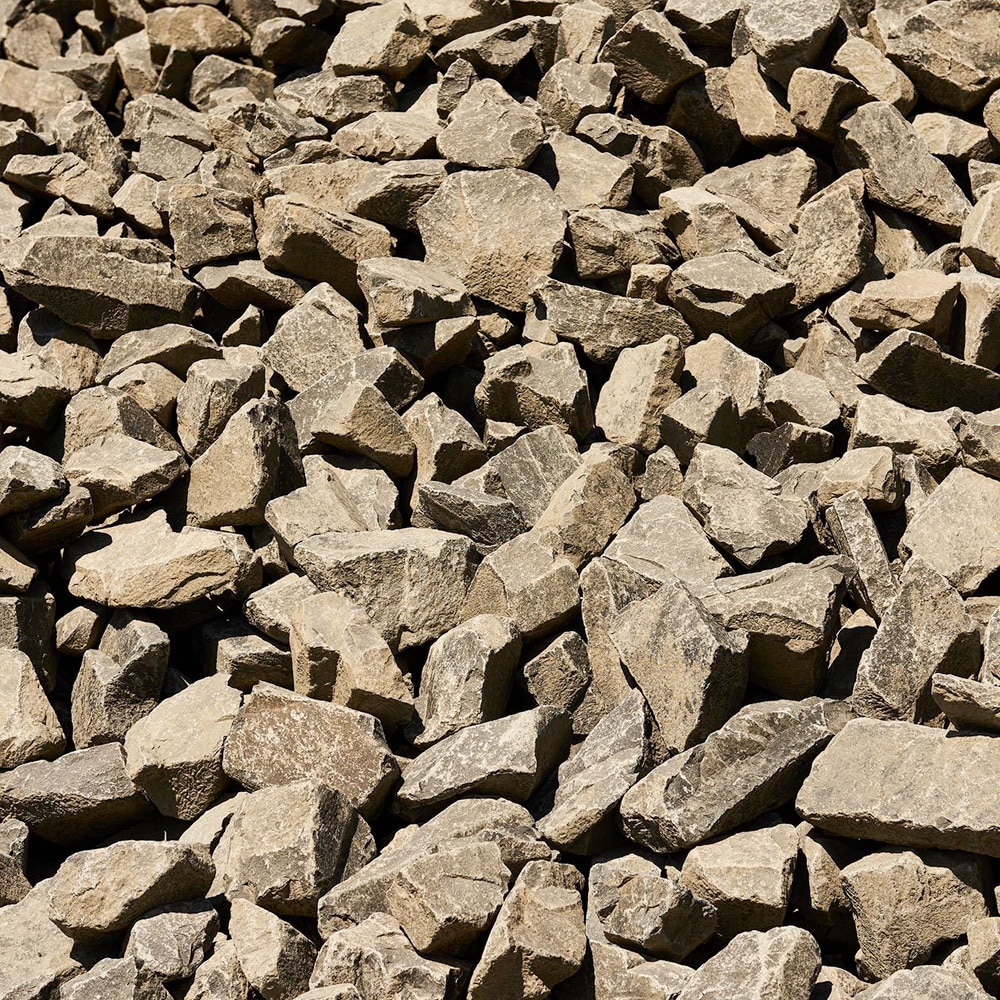
Riprap Braen Stone
Highlights riprap is an erosion control solution that consists of large rocks and stones. Riprap refers to large pieces of rock or other durable materials that are strategically placed along shorelines, riverbanks, hillsides, or other vulnerable areas to protect against erosion. What is the purpose of riprap? It is especially useful for armoring channel and ditch banks, among other features.

62.Riprap Typical Section Detail Cad
Riprap is a layer of stones that protects shorelines and structures from erosion. It’s used along lakes, rivers, creeks, and other waterways to prevent erosion. If you have a waterfront. It is especially useful for armoring channel and ditch banks, among other features. What is the purpose of riprap?

Riprap Calculator Sizing Rock Gradation
Riprap helps “lock” the riverbank in place and prevents the land from washing away during floods or high water flow. One such change is the reduction of sediment settlement in the river channel, which can lead to scouring of the river bed as well as. It’s used along lakes, rivers, creeks, and other waterways to prevent erosion. Riprap is a layer of large stones that protects soil from erosion in areas of high or concentrated flows.

Riprap Sizing Spreadsheet —
It is especially useful for armoring channel and ditch banks, among other features. One such change is the reduction of sediment settlement in the river channel, which can lead to scouring of the river bed as well as. Riprap is a permanent layer of large, angular stone, cobbles, or boulders typically used to armor, stabilize, and protect the soil surface against erosion and scour in areas of concentrated flow or.
Riprap Is A Permanent Layer Of Large
If you have a waterfront. Riprap describes rocky material placed along shorelines, bridge foundations, steep slopes, and other shoreline structures to protect from scour and erosion. One such change is the reduction of sediment settlement in the river channel, which can lead to scouring of the river bed as well as. It’s used along lakes, rivers, creeks, and other waterways to prevent erosion.
Highlights Riprap Is An Erosion Control Solution
Riprap refers to large pieces of rock or other durable materials that are strategically placed along shorelines, riverbanks, hillsides, or other vulnerable areas to protect against erosion. It is especially useful for armoring channel and ditch banks, among other features. What is the purpose of riprap? It is useful for armoring areas against waves and water flows.
Riprap Causes Morphological Changes In The Riverbeds They Surround
Riprap is a layer of stones that protects shorelines and structures from erosion. Riprap is a layer of large stones that protects soil from erosion in areas of high or concentrated flows. Riprap helps “lock” the riverbank in place and prevents the land from washing away during floods or high water flow.