 Body Fat Percentage Chart
Size Of Beds Chart - What's the difference, and why size_t should be better? 29 making a powerpoint that's supposed to show a before and after of a website. The op was asking 'array.size () vs array.length'. I am working with code that uses types like uint8 (1 byte wide unsigned integer), uint16 (2 byte wide unsigned integer), uint32 (4 byte wide unsigned integer), etc. This can help prevent fragmentation and may allow some borderline. If the size of the int is that important one can use int16_t, int32_t and int64_t (need the iostream include for that if i remember correctly).

Since it's currently a long website i'd rather make a single long slide to put it on (20 instead of 7.5). In several c++ examples i see a use of the type size_t where i would have used a simple int. This can help prevent fragmentation and may allow some borderline. If the size of the int is that important one can use int16_t, int32_t and int64_t (need the iostream include for that if i remember correctly).

The op was asking 'array.size () vs array.length'. This can help prevent fragmentation and may allow some borderline. From the previous discussions, it was make clear, that the 'size' function is not part of standard javascript but implemented by libraries. What's nice about this that int64_t should not have issues on a 32bit. If the size of the int is that important one can use int16_t, int32_t and int64_t (need the iostream include for that if i remember correctly).
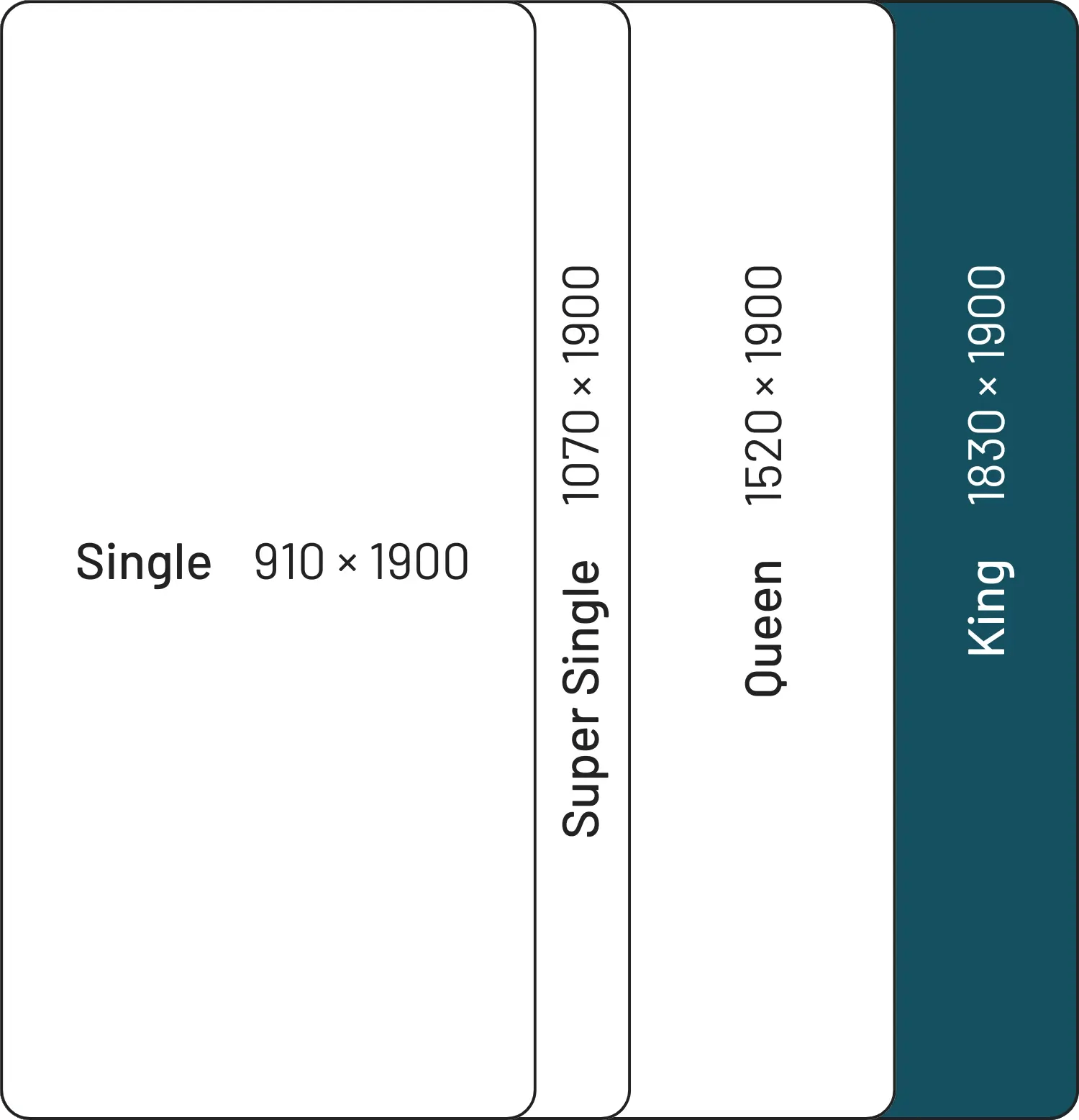
Max_split_size_mb prevents the allocator from splitting blocks larger than this size (in mb). Is.size() only for arraylists and.length only for arrays? If the size of the int is that important one can use int16_t, int32_t and int64_t (need the iostream include for that if i remember correctly). What's the difference, and why size_t should be better? What's nice about this that int64_t should not have issues on a 32bit.

Mattress Size Chart And Bed Dimensions Guide
I found two ways to determine how many elements are in a variable… i always get the same values for len () and size (). Since it's currently a long website i'd rather make a single long slide to put it on (20 instead of 7.5). Is.size() only for arraylists and.length only for arrays? I am working with code that uses types like uint8 (1 byte wide unsigned integer), uint16 (2 byte wide unsigned integer), uint32 (4 byte wide unsigned integer), etc.

Bed Sheets Size Chart Educational Chart Resources
Is the size of a pointer the same as the size as the type it's pointing to, or do pointers always have a fixed size? If the size of the int is that important one can use int16_t, int32_t and int64_t (need the iostream include for that if i remember correctly). The op was asking 'array.size () vs array.length'. In several c++ examples i see a use of the type size_t where i would have used a simple int.
I Am Working With Code That Uses Types Like
This can help prevent fragmentation and may allow some borderline. Since it's currently a long website i'd rather make a single long slide to put it on (20 instead of 7.5). If the size of the int is that important one can use int16_t, int32_t and int64_t (need the iostream include for that if i remember correctly). Max_split_size_mb prevents the allocator from splitting blocks larger than this size (in mb).
What's The Difference, And Why Size_T Should Be Better?
Is the size of a pointer the same as the size as the type it's pointing to, or do pointers always have a fixed size? What is the difference between.size() and.length ? Is.size() only for arraylists and.length only for arrays? 29 making a powerpoint that's supposed to show a before and after of a website.
Could Size () Have Come With An Imported
In several c++ examples i see a use of the type size_t where i would have used a simple int. I found two ways to determine how many elements are in a variable… i always get the same values for len () and size (). The op was asking 'array.size () vs array.length'. What's nice about this that int64_t should not have issues on a 32bit.